
The Chronicle
Latest dispatches
16 results across all types
 video
videoBBQ Sauce Mead?!
We're making mead with Sweet Baby Ray's. Because why not? We figure it has potential to be an interesting drink for summer barbecues. There is a potential hurdle, though. BBQ sauce contains acetic acid (vinegar), and when acetic acid meets ethanol during fermentation, it produces ethyl acetate. In small quantities, it adds a pleasant fruity note. In large quantities? Nail polish remover. So we're walking a fine line on this one. We used: - 2.5 lbs of Sweet Baby Ray's - 40 oz of Hawaiian wildflow
fromCraftaBrew video
videoTasting Homemade Rice Wine
We set out to make rice wine without koji, using amylase enzyme instead to convert gelatinized rice starches into fermentable sugars. Turns out that a lot of rice solids means a tiny yield. We ended up with just under 3/4 of a gallon. We hit it with a Campden Tablet to scavenge any oxygen that was introduced during transfers, and it cleared up beautifully with just a subtle lingering cloudiness. Koji contributes a lot more to sake in terms of flavor, texture and fermentability. But making a rice
fromCraftaBrew video
videoWhy Did My Airlock Stop Bubbling?
Why did my airlock stop bubbling? Usually it's good news and means fermentation is wrapping up! But it could also mean that there's a leak letting CO2 escape OR that fermentation has stalled too early. The fix? Don't rely on your airlock to paint a full picture. Instead, grab a hydrometer. It measures sugar content so you know exactly where fermentation stands. #fermentation #hydrometer
fromCraftaBrew video
videoCheap vs. Expensive Juice Redux 🍷
We made two cranberry meads side by side. One brewed with the cheapest cranberry juice we could find (~$10/gallon), and one with the most expensive (~$33/gallon). Now we're handing them to friends with zero context to see if they can taste the difference. Spoiler: they could. The cheap juice brought faint, watered-down flavor and a noticeably duller color to the final mead. The expensive juice? Richer pigment, stronger flavor, and something that actually tastes like cranberry. The takeaway: your
fromCraftaBrew video
videoKiwi Wine 🥝
I'm allergic to kiwi. So naturally, I made kiwi wine... Why? We get asked about kiwi wines a lot, so I wore gloves while prepping and sat out the taste test. I split the kiwi into two additions: half in primary fermentation, and the other half was added two weeks in (to try and preserve more of the flavor and aroma in the finished wine). The verdict? Sour, but not much kiwi flavor coming through. A good reminder that fruit wines can be tricky — and that the later fruit addition might need to be
fromCraftaBrew video
videoSpaghetti Beer Taste Test 🍝
I recently brewed a beer made exclusively from spaghetti noodles — no grains, no malt, just sugars collected from pasta. Now it's time to find out if it's actually drinkable. I set up two taste test groups: my friend Caleb and I, who both knew we were tasting a spaghetti beer, and our friends Destiny and Elizabeth, who had absolutely no idea what was in their glass. The verdict? It's not terrible & we’d take it over a Bud Light any day! And for a beer brewed entirely from spaghetti, that feels l
fromCraftaBrew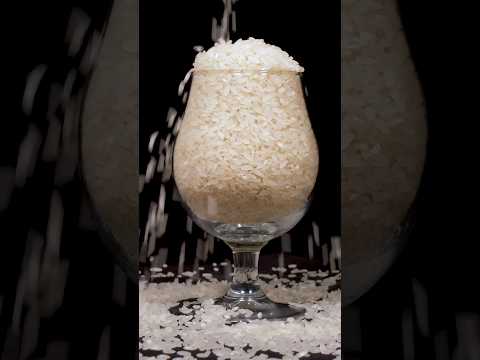 video
videoDIY Rice Wine (Without Koji)
We've been using amylase enzyme to convert a bunch of weird starches into fermentable sugars. Pop Tarts, Cinnamon Toast Crunch, and spaghetti. Sake (rice wine) follows essentially the same concept, but with koji as the starch conversion enzyme. We don't have koji or traditional sake equipment, so we figured we'd give it a shot using amylase enzyme. We boiled sweet rice long enough to fully gelatinize the starches into a gloopy texture. Then we added alpha amylase to break down those starches, st
fromCraftaBrew video
videoCan You Brew With Tap Water?
If you’d drink it from the tap, you can brew with it! But if your water has chlorine smell or taste, fix it with Campden Tablets. 1 tablet treats up to 5 gallons. Dissolved in water, it’ll remove chlorine and chloramines smell and taste from your water before you use it for brewing. Do you have hard water? You're in luck, because this is actually a sought-after and desirable water profile thanks to the natural minerals, making it great for various beer styles (like IPAs). #homebrewing #homebrewe
fromCraftaBrew video
videoPros & Cons of Liquid Yeast
Liquid yeast has landed at Craft a Brew! 36 strains (& counting) from White Labs, Omega, Wyeast & Imperial. Now available in our 5-gallon extract and all-grain recipe kits, too. Pros: 1. Incredible diversity! There are so many more liquid yeast strains available that simply don’t exist in a dry format. 2. More viable cells per pack than dry yeast (we’re talking billions)! Cons: 1. Temperature sensitivity. They must stay cool until pitched. 2. Shorter shelf life. Liquid yeast is usually best used
fromCraftaBrew video
videoPop Tart Mead
Let's turn ~40 Pop Tarts into mead! We went for Wild Berry, but what's your favorite flavor? First, we "mash" the Pop Tarts. This is where starches are transformed into fermentable sugars using hot water and an enzyme (like alpha amylase). These enzymes are naturally present in beer grains, but when working with other starches — like Pop Tarts or cereal or spaghetti — we have to manually add it. We boiled the liquid down to concentrate it, then added honey to reach a full gallon. Projected ABV i
fromCraftaBrew video
videoCinnamon Toast Crunch Mead 🥣
We're making mead from Cinnamon Toast Crunch. How? Cereal is full of starches and sugars, so we steeped it in hot water with amylase enzyme to convert those starches into fermentable sugars. That sweet cereal liquid gets combined with honey and goes into the fermenter. For this batch we're using K1-V1116, a wine yeast that handles complex sugars really well. It's the perfect strain for a fermentation like this that sits somewhere between beer and mead. The potential ABV on this one is high, and
fromCraftaBrew video
videoHow To Make Wine From Jam
Pump up the jam 🫐 Turning store-bought jam into wine is surprisingly simple. We recommend using store-bought jam, since the sugar content is listed on the ingredient label for easy ABV calculation. From there, you can dial up the potential alcohol content with additional sugar. Warm the jam with water on the stove. Top off with water and table sugar. We’re adding pectic enzyme to break down the haze-causing pectins in jam for a clearer finished product. We’ll ferment and let this wine clear ove
fromCraftaBrew video
videoDo "foam boosters" work?
Can you improve foam in beer or sparkling wine with additives? We tried the most commonly recommended tricks… and the plain mead out-foamed them all. Lesson: your brew might be perfect as-is ¯\_(ツ)_/¯ #homebrew #beerbrewing #beermaking #brewingbeer #homebrewing #homebrewbeer #beerbrewing #brewingbeer #homebrewer #beermaking
fromCraftaBrew video
videoGrains of Wisdom Ep. 27: When is fermentation done?
How do you know when fermentation is done? When the bubbles have stopped? When it's totally clear? The only way to know for certain is to measure the gravity with a hydrometer. Specific gravity tells you the sugar content of a liquid sample. Over the course of fermentation, gravity will decrease as sugars are converted into alcohol. If the gravity remains unchanged after a few days, THIS is how you know that fermentation is complete and you are safe to bottle. #homebrewing #winemaking #homemadew
fromCraftaBrew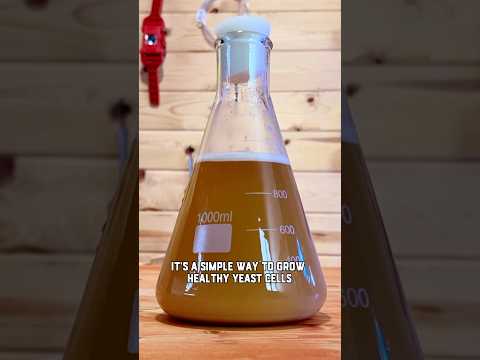 video
videoHow To Make a Yeast Starter
More yeast cells means better beer. With a yeast starter, you can help your liquid or dry yeast multiply ahead of fermentation for healthier, more complete fermentation. Here are 2 ways to make a yeast starter: 1️⃣ With Dry Malt Extract 1. Bring 650 mL water to a boil, remove from heat. 2. Add 0.5 cup DME, stir to combine. 3. Return to heat for 15 minute boil. 4. Transfer wort to temp-safe flask and chall to 85ºF. 5. Add yeast and allow the colony to multiply! 2️⃣ With Canned Wort 1. Mix the con
fromCraftaBrew video
videoJoin our secret homebrew society
Have you heard of our top secret homebrew club? The Craft Society delivers a members-only beer kit to your door every month. Brew with exclusive ingredients, modern and pre-prohibition styles, and zero repeats. Every month you wait to join, another exciting recipes passes you by! #homebrewing #beerbrewing #beermaking
fromCraftaBrew