
The Chronicle
Latest dispatches
57 results across all types
 video
videoCan Wine Save The Planet Day 02 Troon Vineyard Applegate Valley Oregon
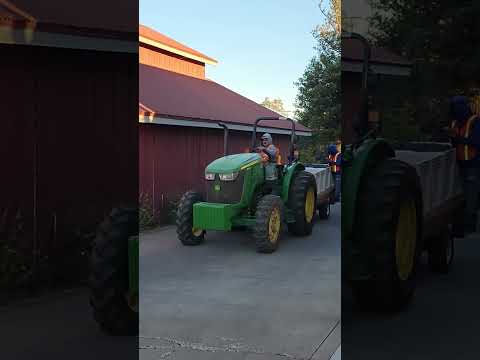
The Harvest shoot – well, sort of… Our first stop on our Harvest Shoot tour was to Troon in Southern Oregon’s Applegate Valley. Our first stop was Troon Vineyard & Farm in Southern Oregon’s Applegate Valley. This relatively small vineyard is Demeter Biodynamic and Regenerative Organic Certified. They put their money where their mouth is when it comes to being beyond sustainable. Wine Enthusiast named them American Winery of the Year in 2022! We were heading up to shoot some B-roll and then get harvest shots. They plan their picks according to the biodynamic calendar, and September 30th had been scheduled. Of course, Mother Nature gets her say, also. While the grapes were saying they were ready, the weather forecast had a rainstorm heading in overnight on the 29th. While it would be dry on the morning of the 30th, the grapes would still be wet and likely would have absorbed enough water that the juice would be diluted. The rest of the weekend was predicted to be warmer and d
 video
videoCan Wine Save the Planet Day 01 2023 Diary Beckmen Santa Barbara California
Experience the best of California, Santa Barbara AVA Beckmen Vineyards red and white wines in the beautiful Ballard Canyon AVA. Steve Beckmen founded Beckmen Vineyards with his parents, Tom and Judith, in 1994. Steve grew up in LA and studied anthropology and archaeology at UC Santa Cruz. He graduated and traveled, working on archaeological digs, then worked for a bit with his father for Roland Corporation, which his parents had co-founded. (sidebar…anyone in the music industry is likely familiar with Roland keyboards. During my time in the entertainment industry, I have helped set up more than a few in Orchestra pits) His parents sold their stake in Roland in 1993 and searched with Steve for a property to start a vineyard. In 2016, Steve’s brother Jeff joined them to help with national sales. So, it is a family business with the Beckmen men. #canwinesavetheplanet #42AspensProductions #biodynamicwine #wine #winestories #carbonsequestration #winetasting #wineregions #Crushedg
 video
videoCan Wine Save The Planet, Regenerative Organic Alliance
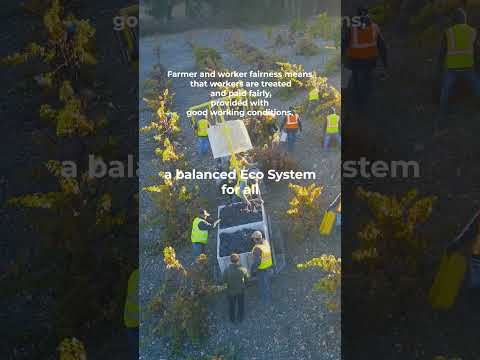
There are several organizations out there for Regenerative Viticulture & Agriculture: Regenerative Agriculture Foundation, Grounded, RegenAG, Regeneration International, renature, EcoFarm, Kiss the Ground, and others. We are most familiar with the Regenerative Organic Alliance. The ROA (Regenerative Organic Alliance) is an organization that certifies farms practicing regenerative agriculture. Its motto is "Farm like the world depends on it." It was founded by the Rodale Institute, Dr. Bronner’s, and Patagonia. There are guidelines for 3 important pillars Soil Health & Land Management: Here, they promote keeping the ground covered, low- to no-till farming, composting, and the non-use of toxic chemicals for fertilizers and pesticides. Animal Welfare – where they believe animals should be raised free from discomfort, fear and distress, hunger, pain, injury, and disease and should be free to express normal behavior! Farmer and worker fairness means that workers are treated and paid
 video
videoCan Wine Save The Planet, Jason Hass with Tablas Creek
Tablas Creek is a collaboration between the Haas Family of Vineyard Brands and the Perrin Family of Chateau du Beaucastel that began in 1987. They started the vineyard using organic principles and received their organic certification in 2003, then leaned into Biodynamic farming and received their Demeter Biodynamic Certification in 2017. In 2020, they became the world's first Regenerative Organic Certified vineyard. There are several organizations out there for Regenerative Viticulture & Agriculture: Regenerative Agriculture Foundation, Grounded, RegenAG, Regeneration International, renature, EcoFarm, Kiss the Ground, and others. We are most familiar with the Regenerative Organic Alliance. The ROA (Regenerative Organic Alliance) is an organization that certifies farms practicing regenerative agriculture. Its motto is "Farm like the world depends on it." It was founded by the Rodale Institute, Dr. Bronner’s, and Patagonia. There are guidelines for 3 important pillars Soil Health
 video
videoCan Wine Save The Planet, a documentary Film Project, Help us tell the story
So, can wine save the planet? Wine is an agricultural product, just like vegetables. But you are much more likely to be able to tell me what winery your wine was from than what farm your avocado was from. Wineries are about telling their stories, and this story will help spread the word about these regenerative farming methods. These vintners are paying it forward for the planet, and you can, too, by supporting them and encouraging other vineyards and farms to incorporate these methods. Pay it forward, sharing their stories with your friends. Can Wine Save The Planet, a documentary Film Project, Help us tell the story On our site, https://CanWineSavethePlanet.com You’ll find Several Videos that explain the project and how you can get involved You can also Make a Donation if that moves you. If you believe, as we do, that change is possible, we would love your help. We hope you will join our ever-expanding network. This is a multiyear project with 3 feature films and othe
 video
videoExploring Narnia, Costaripa in Valtènesi introduction
Into Narnia (the winery and cellar) The winery at Costaripa Nicole leads us from the older winery tasting room to a nondescript door that says “Private.” “I call this my Narnia door,” she tells Michael. “You open it, and you are in a completely different world.” She’s right. From the elegant beauty of the tasting room, we step into a two-story room filled with large silver fermentation tanks. We enter onto a grated stainless steel walkway on the second level and head down metal stairs to the tiled winery floor below. Nicole tells us, “For my father, the most important thing is viticulture, the wine, and to have everything clean.” He says to make 1 liter of wine, you must invest 8 liters of water in cleaning everything.” Here, they use only steam for cleaning, no chemicals. We stand in what she says is the least romantic room in the winery. Here is where the technical aspects of winemaking occur. The tanks they have are doubles. One stacked on the other. The bottom tank is a
 video
videoCan Wine Save The Planet, Biodynamic Vineyards
Commercially farmed vineyards add chemicals to the soil to maintain the health of the vines. In a biodynamic vineyard, this is maintained through the natural microbiome in the soil. These microbes are depleted by the lack of biodiversity, tilling, and chemicals that kill them off. Normal, natural soil in a natural ecosystem is filled with microbes that move the soil and allow nutrients into the vines. Biodynamics promotes biodiversity. While vineyards are a monoculture, by adding cover crops, riparian areas, gardens, trees, and livestock, you can build up the biodiversity on the farm, creating a full ecosystem that is much healthier. This type of agriculture also uses preparations. Rather than using pesticides to kill of unwanted pests, these preparations, made from natural ingredients from the property, help to spread the microbiome in the vineyard, and natural teas are added to compost to nourish the soil. You will often see owl boxes and raptor perches in these vineyards,
 video
videoCan Wine Save The Planet, a documentary Project Introduction
We are rolling out awareness and fundraising for our Documentary Project "Can Wine Save the Planet!" The goal of this project is to tell the stories of biodynamic and regenerative vineyards and wineries. These are people who are revitalizing the soils and, in turn, helping to mitigate climate change, all while making better wine. So yes, you can enjoy a glass of wine and help save the planet! IF you are drinking the right wine. You might have to do some legwork to find a winery that is farming regeneratively. Join us as we dig into the stories behind these wineries and why they feel regenerative philosophies are important. Visit CanWineSavethePlanet.com for more information and to donate to the documentary if you feel moved! #canwinesavetheplanet #savetheplanet #biodynamicwines #Regenerative #Earthday #earthday2024 #gogreen #documentary # EcoFriendly #Wine #Organic #Farming #soilhealth #farming #farmliketheworlddependsonit #Savetheplanet #SustainableLiving #ActOnClimate #GreenEner
 video
videoCostaripa Rosé Wine in Valtènesi Italy
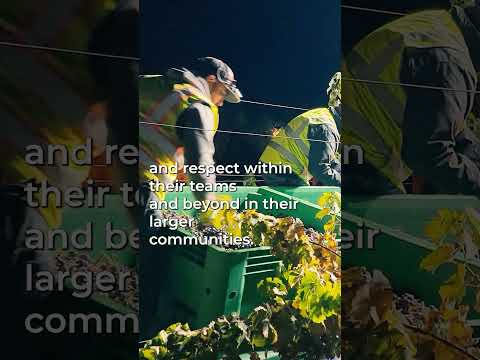
History of Rosé in Valtènesi Valtènesi is on the southwestern shore of Lake Garda, Italy's largest lake. The lake was formed by a glacier about 1.5 million years ago. As it traveled south, this glacier deposited morainic soils and created the Morainic amphitheater of hills that protects the region from Northern winds. This protection and the lake allow this to be the northernmost area in Europe with a Mediterranean climate. Yes, citrus trees abound in this area. Here on the western shores of Lake Garda, back in 1896, Pompeo Gherardo Molmenti created Chiaretto di Moniga, or Chiaretto Valtènesi, the "wine of a single night." The Molmenti method gently pressed the grapes and left them with the skins for just a few hours, then let the free-run juice drain in what is called the "teardrop" method. This rosé, or Chiaretto, is primarily made with Groppello, a minimum of 30% by the DOC regulations. The remaining wine is to consist of one or more of the grapes Marzemino, Sangiovese, and
 video
videoCan Wine Save The Planet a Documentary Project Teaser
We are rolling out awareness and fundraising for our Documentary Project "Can Wine Save the Planet!" The goal of this project is to tell the stories of biodynamic and regenerative vineyards and wineries. These are people who are revitalizing the soils and, in turn, helping to mitigate climate change, all while making better wine. So yes, you can enjoy a glass of wine and help save the planet! IF you are drinking the right wine. You might have to do some legwork to find a winery that is farming regeneratively. Join us as we dig into the stories behind these wineries and why they feel regenerative philosophies are important. Visit CanWineSavethePlanet.com for more information and to donate to the documentary if you feel moved! #canwinesavetheplanet #savetheplanet #biodynamicwines #Regenerative #Earthday #earthday2024 #gogreen #documentary # EcoFriendly #Wine #Organic #Farming #soilhealth #farming #farmliketheworlddependsonit #Savetheplanet #SustainableLiving #ActOnClimate #Gre
 video
videoCan Wine Save The Planet The Living Planet Biodynamics
We find the wines that we like the most, the vineyards that produce wines with complexity and energy, generally come from biodynamic vineyards. There are several reasons for this. The winemakers have a passion for the ecosystem, where healthy plants coexist. It takes more work to be biodynamic. You must be passionate. Most of these people have done their research and maybe experimented to see if this really worked. The second is that you can see the results in the soil. As the plants mature, animals and the good insects start appearing. Biodynamics takes time, generally 5-8 years. But when it takes off, you can see the results all around. For more on biodynamic viticulture vist https://canwinesavetheplanet.com There, you can also learn more about our documentary project and find out how you can be a part of this project! #canwinesavetheplanet #savetheplanet #biodynamicwines #Regenerative #Earthday #earthday2024 #gogreen #documentary # EcoFriendly #Wine #Organic #Farming #soilhea
 video
videoDiscovering Wine Country Season 3 Italy, Wine and Recreation
Wine is the story of a year in a place, captured in a bottle. Take a sip, close your eyes then picture the place, the way the soil smells, feel the breeze, hear the rustle of the leaves on the vines. Your Senses tell you the story of that beautiful liquid in your glass. Each bottle has a story to tell A winemaker’s passion for a style, or varietal, The variations of soil giving character to the wine The way the air moves Spring rains, summer heat, winter frost… All this culminates in what you find in each bottle This is different for each region, for each vineyard, sometimes for each row. Discovering the culinary delights of a region, the local ingredients, that pair perfectly with the regions wines The sense of place, the growers, the farmers Creating and nurturing Leaving a place better then they found it Creating a whole ecosystem where multi species can live and thrive Discovering a special vintage, where nature, weather, ripening, all contributed to the perfect wine Taki
 video
videoCan Wine Save The Planet Climate Change Extreme Fires
Our planet is in the midst of climate chaos. We are seeing more Catastrophic fires in the west, chaotic rain events and flooding, heat events, and severe drought. Not to mention the plastic and trash littering our globe. Carbon released into the atmosphere shapes our climate, warming parts of the planet and causing glaciers to crumble and jet streams to slow and stagnate. We watch as the world around us changes in unexpected and dangerous ways. Vineyards, both large and small, are embracing farming methods that revitalize their soils. This sequesters carbon and helps mitigate climate change! Climate Chaos means you might be in a drought one year and a flood the next. Northern Italy saw this with a Severe Drought in the summer of 2022 and then heavy rains and flooding in the spring of 2023. Germany saw horrific flooding in Ahr in the summer of 2021, and devastating floods in Northern Germany occurred as recently as January 2024. In South America, El Nino brought severe rain and fl
 video
videoCan Wine Save The Planet Food Forests
A food forest is a mix of trees, shrubs, and other plants for food. Think nut and fruit trees with berry bushes, squash, or other ground vines, tuber, and root plants. You have layers of plant life. We were able to see a food forest early on at Troon Vineyard. They planted rows mixed with trees, shrubs, and smaller plants on contours. This contour planting also acts as a buffer for erosion. Between the curved rows of mixed plants, 19 feet of land were left for grazing, planted with rye, clover, and other foraging plants for the sheep. They alternated the trees in their rows with fruit and nitrogen-fixing trees in a wide range of species, including many stone fruits. Then there are the shrubs, with sunchokes, artichokes, raspberries, herbs like chives, mint, yarrow, and calendula, and then they added annuals like squash. This food forest will provide biodiversity on their property. Flowering plants provide food for bees, and the trees, shrubs, and other plants will provide fru
 video
videoCan Wine Save The Planet Insectiaries
Insectaries are areas that create healthy homes for insects. SNAP – Shelter, nectar, alternative prey, & pollen are the things you can provide for insects, according to Dr. Steve Wratten in New Zealand. Not all insects are "pests." IPM – Integrated Pest Management controls pests by using beneficial insects. We all love ladybugs. They are vicious predators of aphids. Your mom loved these very cute, stone-cold killers because they protected her roses! In the vineyard, you can grow cover crops to attract beneficial insects or set up areas between the blocks to make a home for them. Insectaries, create biodiversity and provide a natural way to control “pests.” For more on Insectaries, vist https://canwinesavetheplanet.com There, you can also learn more about our documentary project and find out how you can be a part of this project! #canwinesavetheplanet #savetheplanet #biodynamicwines #Regenerative #Earthday #earthday2024 #gogreen #documentary # EcoFriendly #Wine #Organic #Far
 video
videoCan Wine Save The Planet Solar and wind
Solar Solar is the perfect way to create power for a winery. Most wineries are located in areas where the sun is plentiful (grapes like that). So solar panels can allow vineyards to produce wine, while lowering their energy consumption from the grid. Of course, as Jason at Tablas Creek says, "Every square inch of leaf is like a little photovoltaic cell." That's not just the grapes, but the cover crops! Green Energy in the Vineyard Using regenerative farming techniques in the vineyard is terrific, but eventually, it will take some energy to make wine. Luckily, vineyards grow in sunny places so that the grapes can ripen. Vineyards are harnessing this power from the sun with solar panels in the vineyard and on the winery roof. Many are able to offset their power usage in the winery through this method. In Monterey and Vermont, there are vineyards harnessing wind power with turbines. Follow us for more insights on what Regenerative Vintners are doing for the planet at https://canwine
 video
videoMoscato Di Scanzo, A Vineyard Walk
A Guided Vineyard Walk Two Sommeliers, Federico Bovarini, who had just become the Ambassador for the region & Therése Lönnqvist, a Sommelier from Sweden who was fluent in English and familiar with the region, joined us and guided us through the vineyards. While strolling, we passed Azienda Agricola Cerri. This is a rural center that is self-sufficient, a concept dating back to Roman times. Most of the buildings here were built in the 17th century, including the church built by the owners of the Savioni family. This is now an agriturismo. If you want to enjoy a meal in a place with views of this DOCG, this is a good spot. Moscato di Scanzo is a rare and highly prized red passito wine (dessert wine made from dried grapes) originating from the Lombardy region of Italy. Unlike most Moscato wines, which are typically white, Moscato di Scanzo is made from a distinctive, dark-skinned Moscato grape variety grown in the hills around the town of Scanzorosciate, near Bergamo. As we strol
 video
videoMoscato Di Scanzo Italy an Introduction Reel
Moscato di Scanzo DOCG Italy We were off on our first trip into Italian wine country before the Wine Media Conference in Lombardia. On the road, our little bus heading from Milan to Bergamo was filled with wine writers chattering excitedly. As we approached Bergamo, the little bus left the freeway traffic and began surfing the serpentine two-lane roads of the region’s hills. The hills are lush and green, and trees are sweeping in a blur as we take turns. Expansive views of the landscape to the south fan out before us one moment, followed by peeks into tiny valleys tucked in between the hills as the road hairpins back on itself. At last, we turn down a steep driveway into a property called Martinì Col di Paste. As we pull down the driveway, a magnificent little valley opens in front of us. It was picture postcard perfect. This was our destination, the valley of the Moscato di Scanzo DOCG. Francesca Pagnoncelli Folcieri First to greet us was a petite woman casually dressed in
 video
videoCan Wine Save The Planet The Living Planet Kelp
A Balanced Ecosystem for all There are many ways to keep the ecosystem Balanced…here are a few Kelp has been found to be a terrific fertilizer, building immunity and helping with any nutrient deficiencies, and it can help defend plants from insects and build resistance to disease. But you might be wondering about the sustainability of growing kelp for this purpose. I was! In my research, I discovered that Kelp is sustainable. Like bamboo, it grows quickly! It does not require fertilizer to grow, and best of all, it sequesters carbon. Let me put an exclamation point on that: per acre, it can sequester up to 20 times more carbon than a forest! Kelp is also a nutritious superfood! So land and sea can work together to make us and the planet healthier! Follow us for more insights on what Regenerative Vintners are doing for the planet at https://canwinesavetheplanet.com #canwinesavetheplanet #savetheplanet #biodynamicwines #Regenerative #Earthday #earthday2024 #gogreen #documentary # E
 video
videoValtalina Italy Marcel Zanolari Off to the Vineyards
Valtellina Valley Italy, a Bio dynamic winery featuring Marcel Zanolari Marcel Zanolari met us in front of the Hotel Campelli in Moia, which overlooks Sondrio at the center of Valtellina. This is the Northern part of Lombardia, Italy, a valley between the Alps and just across the border from Switzerland. Michael and I, along with fellow wine writer Gwendolyn Alley jumped into his little hatchback Audi and sped off to the east end of Valtellina. We would spend part of our day with Marcel and part with Marco Triacca. Marcel's vineyards are past Valgella, in the Valtellina Superiore region near Tirano on the far east end of the Valley. He has vineyards in Bianzone, Villa di Tirano, Tirano, Vangione, and some in Teglio that are at almost 900 meters above sea level. 7 of the 12 hectares that he has planted with grapes are rented. Five of those hectares are cultivated with PiWI, resistant grape varieties. They also have contracted property near one of their vineyards to manage olive tr
 video
videoLa Perla, Marco Triacca Efficiency, innovation and legacy in Wine Country
La Perla, Marco Triacca - Efficiency, innovation and legacy in Wine Country Valtellina Italy We first met Marco at the tasting in the Consorzio Valtellina cellar in Sondrio. Marco Triacca stood in a striped sweater behind his table, smiling and ready to pour his wines and tell you about them. He is Swiss and, in fact, lives in Switzerland, commuting to Valtellina each day to the vineyard and winery. He is thorough and organized, the workings of his winery timed beautifully like a Swiss watch… Marco makes 4 wines from just 2 varieties of grapes, all grown on his 3.5 hectares of vines at his estate vineyard in Valgella, producing 20,000 bottles annually. He harvests the grapes for his sparkling Pignola in mid-September, his Sforzato of Nebbiolo harvests at the end of September or beginning of October; his Valtellina Superiore La Mossa harvests mid-October and the Riserva Elisa that harvests mid-November. Marco says with a laugh, "I have no harvest stress!" Visting the Vineyard As y
 video
videoCan Wine Save The Planet, The Living Planet
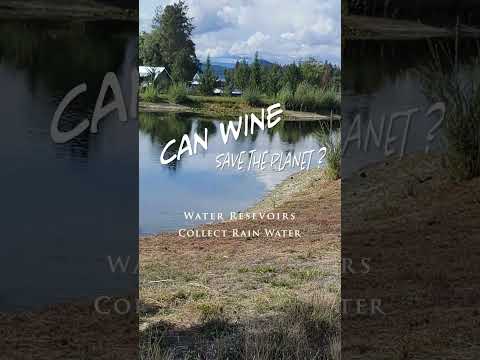
A Balanced Ecosystem for all There are many ways to keep the ecosystem Balanced…here are a few Kelp has been found to be a terrific fertilizer, building immunity and helping with any nutrient deficiencies, and it can help defend plants from insects and build resistance to disease. But you might be wondering about the sustainability of growing kelp for this purpose. I was! In my research, I discovered that Kelp is sustainable. Like bamboo, it grows quickly! It does not require fertilizer to grow, and best of all, it sequesters carbon. Let me put an exclamation point on that: per acre, it can sequester up to 20 times more carbon than a forest! Kelp is also a nutritious superfood! So land and sea can work together to make us and the planet healthier! Beneficial insects We so often think of insects as pests, but many insects are helpful! Creating insectaries to attract beneficial insects can help balance the ecosystem. Livestock Incorporating livestock creates biodiversity. It also
 video
videoCan Wine Save The Planet Climate Rain and Flooding
Our planet is in the midst of climate chaos. Climate Chaos means you might be in a drought one year and a flood the next. Northern Italy saw this with a Severe Drought in the summer of 2022 and then heavy rains and flooding in the spring of 2023. Germany saw horrific flooding in Ahr in the summer of 2021, and devastating floods in Northern Germany occurred as recently as January 2024. In South America, El Nino brought severe rain and flooding to vineyards in Chile in 2023, while they still struggle with drought and a lack of snowfall in the Andes that provides irrigation in the warm summers. It’s not one or the other any longer. It’s both. There are Solutions! Cover crops, crop rotation, rotational grazing, and irrigation improvements can all help stabilize soil. Contour farming, dune stabilization, and Windbreaks can also help! The goal is to encourage life. Plants and their roots hold the soil in place. They also aerate the soil, allowing the water to soak in. This encourages mi
 video
videoCan Wine Save The Planet, Climate Drought
Our planet is in the midst of climate chaos. We are seeing the desertification of land, chaotic rain events and flooding, heat events, and severe drought. Climate Change: Rising global temperatures increase evaporation and atmospheric evaporation demand, intensifying droughts and making them more frequent and severe in many regions, especially already dry areas. There are Solutions! Cover crops, crop rotation, rotational grazing, and irrigation improvements can all help stabilize soil. Contour farming, dune stabilization, and Windbreaks can also help! The goal is to encourage life. Plants and their roots hold the soil in place. They also aerate the soil, allowing the water to soak in. This encourages microbial life, and the positive cycle continues. Cover crops help hold water, allowing for less runoff and erosion. Riparian areas along rivers can also help hold the banks in place. Contour farming helps slow the flow of running water, giving it time to seep into the soil. Many sma