
The Chronicle
Latest dispatches
94 results across all types
 video
videoCollectors are OBSESS Over this French Wine!
In this full video, we uncover one of the secrets behind Côte-Rôtie, one of France's most prestigious wine regions. While Southern Rhône wines are often built from blends, Côte-Rôtie is known for its Syrah-driven elegance, freshness, and finesse. It's a different expression of Rhône wine, and one that has captivated collectors for generations. Watch the full video to discover all five secrets behind Côte-Rôtie. 🍷
 video
videoThe Wines That Changed Côte-Rôtie Forever
Three wines helped put Côte-Rôtie on the world stage. La Mouline, La Turque, and La Landonne became legendary among collectors, earning a reputation as some of the most prestigious and collectible wines in the Rhône Valley. Watch the full video to learn why. 🍷
 video
videoHow to Recognize Syrah🤔
For many wine lovers, the answer is black pepper! Combined with fresh berries, vibrant acidity, and layers of spice, it's one of the most distinctive aromatic signatures in the wine world. Learn to recognize it once, and you'll never smell Syrah the same way again. Explore more tasting notes and wine secrets in this full review. 🍷 See you there!
 video
videoCould Côte-Rôtie be the greatest Syrah region in the world?
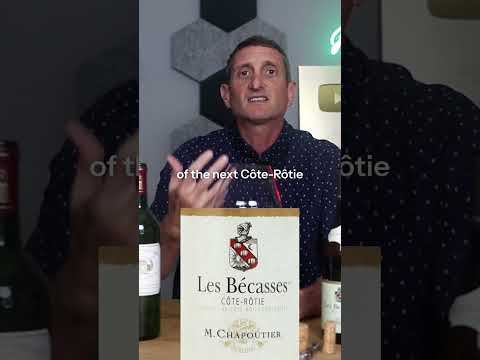
Many collectors think so. From its dramatic slopes to its distinctive style, Côte-Rôtie has earned a reputation as one of France's most prestigious wine appellations. And surprisingly, its wines often include a small amount of white grape. Watch the full video to learn why. 🍷
 video
videoThe Secret to Food-Friendly Wine
A great wine isn't just impressive on its own. It becomes even better at the table. In this video, we uncover why Côte-Rôtie's vibrant acidity, savory character, and signature peppery spice make it one of the most food-friendly wines in France. From grilled meats to a perfectly cooked steak, this is a wine built for sharing over a memorable meal. Watch the full review to discover what makes Côte-Rôtie a true Grand Vin with our Wine Expert Julien Miquel 🍷
 video
videoWould you spend $90 on a bottle of wine?
Côte-Rôtie is one of France's most prestigious appellations, known for producing elegant, spicy, and remarkably refined Syrah. Watch the full review to see if it's worth the money. 🍷
 video
videoWhy Côte-Rôtie Is So Expensive
Côte-Rôtie’s dramatic hillsides make every bottle a product of patience, skill, and generations of dedication. Watch the full video to discover the story behind these legendary wines. 🍷
 video
videoA white grape in a red Wine?
The world’s greatest wines are often shaped by unexpected choices. Côte-Rôtie is a perfect example, combining tradition, precision, and a touch of innovation to create one of the Rhône Valley’s most captivating styles. Watch the full video to learn more. 🍷
 video
videoShould YOU SPEND $100 on this wine!?
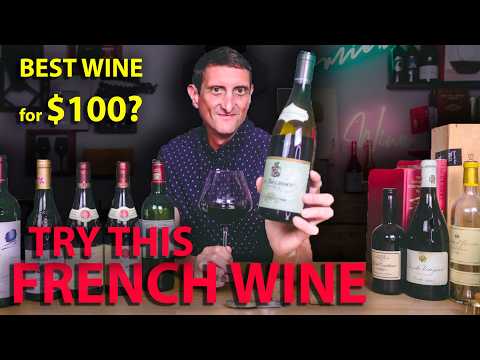
Today, French winemaker Julien Miquel reviews "Les Bécasses" Côte-Rôtie (2021), a benchmark wine from France’s Northern Rhône Valley. Produced by the legendary Maison M. Chapoutier, this $80 to $100 wine is crafted from 100% Syrah grapes sourced from a blend of steep, sun-drenched mica-schist terraces. ____________ BECOME A WINE EXPLORER! Want to Taste Rare, Small Batch Wines from Argentina & Around the World? 🍷Click here: https://bit.ly/3T9UI6y EXPERIENCE EXTREME ALTITUDE WINES! Want to Taste Wine from the Most Remote Vineyards in the World? (Think 6,000 ft+!!) 🍷Click here: https://bit.ly/3T9UI6y ____________ 𝐀𝐩𝐩𝐞𝐚𝐫𝐚𝐧𝐜𝐞 𝐚𝐧𝐝 𝐀𝐫𝐨𝐦𝐚 Unlike Syrah from warmer regions, the cool climate of the Côte-Rôtie ("Roasted Slope") results in a wine that prioritizes finesse over sheer power. It features a medium-deep, rather than extremely dark, color. On the nose, the wine delivers a gorgeous, vibrant burst of fresh red berries, including: Cranberry, Raspberry and Fresh stra
 video
videoCôte-Rôtie - Why Wine Collectors OBSESS Over this French Wine?
BECOME A WINE EXPLORER! Want to Taste Rare, Small Batch Wines from Argentina & Around the World? 🍷Click here: https://bit.ly/3T9UI6y EXPERIENCE EXTREME ALTITUDE WINES! Want to Taste Wine from the Most Remote Vineyards in the World? (Think 6,000 ft+!!) 🍷Click here: https://bit.ly/3T9UI6y ____________ Today, French winemaker Julien Miquel breaks down the five essential facts about Côte-Rôtie, the Northern Rhône’s premier red wine appellation. Extreme Topography: Meaning "roasted slope," Côte-Rôtie features steep, 60-degree vineyard inclines that maximize sunshine but require winemakers to tend and harvest every vine completely by hand. This grueling labor makes production expensive and the wines rare. The White Grape Blend: Surprisingly, winemakers can co-ferment up to 20% (typically 2% to 5%) of the white grape Viognier with the red Syrah. This stabilizes color and adds an elegant floral aroma. Two Distinct Slopes: The region is divided geologically. The Côte Blonde has lighter
 video
videoSome wines demand attention from the very first pour.
Oír Ese Río Cofermentación does it through precision, freshness, and quiet complexity. Crafted by Marcial Sánchez Elía alongside winemaker Germán Masera in Alto Agrelo, Mendoza🇦🇷, this cofermentación of Malbec and Cabernet Franc was made with native yeasts, low sulphur, gentle extraction, and aged 20 months in second-use French oak. Only 1,300 bottles were produced. In this tasting, Julien explores its layered character, bright red and black fruit, herbal lift, subtle floral tones, vibrant acidity, and the textured elegance that comes from balancing Malbec depth with Cabernet Franc precision. Part of our 2026 Argentina Collection, a selection built around extreme origins, small production, and wines with unmistakable character. Only a few bottles remain. Join the club and discover Oír Ese Río before it disappears. 🍷
 video
videoYour Argentine Collection - Oír Ese Río Co Fermentación, Mendoza
Julien introduces a standout selection from their 2026 Argentine Collection: "Oír Ese Río" (Listening to this River). Crafted by Marcial Sanchez Elia, this wine marks a departure from the club’s usual Salta focus, hailing instead from the renowned Mendoza region. The name pays homage to the vineyard’s ancient, stony alluvial soils which provide excellent drainage and structure. ____________ BECOME A WINE EXPLORER! Want to Taste Rare, Small Batch Wines from Argentina & Around the World? 🍷Click here: https://bit.ly/3T9UI6y EXPERIENCE EXTREME ALTITUDE WINES! Want to Taste Wine from the Most Remote Vineyards in the World? (Think 6,000 ft+!!) 🍷Click here: https://bit.ly/3T9UI6y ____________ Unique Winemaking The wine is a rare co-fermentation of Malbec and Cabernet Franc. Rather than blending finished wines, the grapes were harvested and fermented together in the same tank. This technique is designed to emphasize the terroir and provenance over individual varietal characteristics, r
 video
videoSome wines carry more than flavor.
They carry the people and places behind them, and in this case, a tribute to a family’s ancestors. Honorem Blend de Historias was crafted by our friend Paco @pacopuca in the extreme altitude landscapes of the Calchaquí Valleys, where isolation, harsh conditions, and patience shape wines with remarkable character and balance. Part of our 2026 Argentina Collection, a selection built around extreme origins, purity, and untamed expression. Join the club and discover wines like this one from Paco and
 video
videoSome wines carry more than flavor.
They carry the people and places behind them, and in this case, a tribute to a family’s ancestors. Honorem Blend de Historias was crafted by our friend Paco @pacopuca in the extreme altitude landscapes of the Calchaquí Valleys, where isolation, harsh conditions, and patience shape wines with remarkable character and balance. Part of our 2026 Argentina Collection, a selection built around extreme origins, purity, and untamed expression. Join the club and discover wines like this one from Paco and the remote corners of Argentina. 👉 Link in bio 🍷
 video
videoSome of the BEST WINES can only be made AT NIGHT! Here’s WHY?
French winemaker Julien Miquel explains how grape harvesting for making the finest wines often happens during the night. While the romanticized image of winemaking often features sun-drenched vineyards, high-quality production frequently happens under the stars. In this summary of Julien Miquel’s insights, we explore why harvesting grapes between midnight and sunrise has become a gold standard for premium estates, particularly in warmer climates. ____________ BECOME A WINE EXPLORER! Want to Tast
 video
videoSpectacular! - Extreme Altitude - Argentine Wine Review
The 2022 Francisco Puga y Familia ‘Honorem’ Red Blend is a standout selection from the Calchaquí Valleys in Northern Argentina. Far removed from the mainstream Malbecs of Mendoza, this wine is a product of extreme altitude viticulture, sourced from vineyards perched between 5,000 and 8,000 feet above sea level in the Andes Mountains. ____________ BECOME A WINE EXPLORER! Want to Taste Rare, Small Batch Wines from Argentina & Around the World? 🍷Click here: https://bit.ly/3T9UI6y EXPERIENCE EXTREM
 video
video5 Truly Bizarre Wine Facts You’ve Never Heard!
In this overview of the stranger side of wine, Bordeaux-trained winemaker Julien Miquel explores five bizarre facts that highlight wine's historical, scientific, and supernatural dimensions. 00:00 - Top 5 Weirdest Wine Facts Intro 00:55 - "Liquid Blood" in Ancient Egypt 02:27 - The "Space Wine" Experiment 04:14 - Oenophobi The Fear of Wine 05:41 - Hippocrates Loved Wine 07:04 - Angel’s Share and Devil’s Cut ____________ BECOME A WINE EXPLORER! Want to Taste Rare, Small Batch Wines from Argentina
 video
videoHave you ever added salt to your wine?🧂🍷
Probably not. And no, we are not suggesting you start sprinkling it into your glass. But salt on your plate can completely change how a wine tastes. It can soften bitterness, tame sharp acidity, and allow fruit and texture to come forward. The result is a wine that feels smoother, rounder, and more balanced. In this video, Julien explains why understanding this simple interaction can elevate almost any bottle at your table. Sometimes better wine is not about spending more. It is about pairing sm
 video
videoExtreme Altitude Malbec - Your 2026 Argentina Collection
Today Julien is introducing you to your new 2026 Argentine wine collection, like every year with our wine club, we went around the extreme altitude vineyards of the Andes mountains to find the finest extreme altitude Malbec wines we could find, import them to the US and deliver them to your doorstep, we shipped them from the remote province of Salta in the far North of Argentina, through the oceans and all the way to you, so you can enjoy their unique characteristics. I’m going to make 2 separat
 video
videoThis Wine Aged in Space (Seriously)
Turns out, when you take wine out of Earth, it doesn’t behave the same way. Different conditions, different results… and a reminder that wine is more than just time in a bottle. This is just one of those moments that makes you look at wine a little differently. This story is part of our video “5 Truly Bizarre Wine Facts You’ve Never Heard!” Do you want to know more? Enjoy the full video now. See you there!
 video
videoYOU SHOULD TRY this Italian wine, OR NOT! - Brunello di Montalcino
Today, Julien switches from a overview of the Brunello di Montalcino appellation to a practical tasting of a 2017 vintage. The goal is to define the sensory characteristics—flavor, aroma, body, and texture—that constitute a "quintessential" Brunello. 00:00 - Tasting Brunello di Montalcino Intro 01:53 - Marchesi Antinori's Pian delle Vigne 04:28 - How good is Brunello di Montalcino? ____________ BECOME A WINE EXPLORER! Want to Taste Rare, Small Batch Wines from Argentina & Around the World? 🍷Cli
 video
videoWine Legends: The First Super Tuscan Wine - (How Good is Tignanello?)
Today, Julien tastes and reviews a wine legend, the first "Super Tuscan" wines made by legendary producer Marchesi Antinori in the heart of Italy. 00:00 - Tignanello Super Tuscan Legend Intro 01:40 - Need-to-Know about Tignanello 03:48 - Rating Tignanello & Tasting Notes ____________ BECOME A WINE EXPLORER! Want to Taste Rare, Small Batch Wines from Argentina & Around the World? 🍷Click here: https://bit.ly/3T9UI6y EXPERIENCE EXTREME ALTITUDE WINES! Want to Taste Wine from the Most Remote Vineya
 video
videoThe BEST Champagne Brands - Tasting G.H.Mumm!
Today Julien tastes and reviews the quality of one of the most popular brand of Champagne, one of the most famous house: G.H. Mumm. He also compares it to the quality of other Top sparkling wines such as Moet & Chandon, Veuve Clicquot or Taittinger and assesses how Mumm fares against them. G.H. Mumm is one of the world’s most recognized Champagne houses, celebrated for its long-standing association with victory and celebration. Founded in Reims in 1827, the house quickly established a reputation
 video
videoA $100 Bordeaux that drinks like something far more expensive.
From the prestigious Margaux appellation, Château Giscours offers the kind of structure, elegance, and aging potential that defines the great wines of Bordeaux. Not just a good bottle, a smart one. Watch the full tasting with Julien to see why.