
The Chronicle
Latest dispatches
76 results across all types
 podcast· 1h 01m· Ep 82
ILPB - Ep Five: How to Build (Successful) Fine Wine Brands
What does it mean for a fine wine to be a brand? How do fine wine brands define and measure success? How much does it cost to be a successful brand? What’s the role of the secondary market in building successful brands? If you’ve been listening to the previous episodes of this series, you would have heard it: La Place doesn’t build brands. But then, who does? And how do they successfully do it? In this fifth episode, hosts Felicity Carter and Pauline Vicard explore the concept of branding in relationship to fine wine and review the steps to build successful, desirable and recognised fine wine brands, decoding cultural differences along the way. From iconic Bordeaux estates to award-winning marketing agencies, game-changing importers and leading auction houses, they all share their unfiltered opinions on how to build, manage and successfully grow a fine wine brand on La Place de Bordeaux and beyond. With: Polly Hammond , Mathieu Jullien , Guillaume Pouthier , Don St Pierre , Fiona Morri
 podcast· 1h 11m· Ep 81
ILPB - Ep Four: Beyond Bordeaux
Why do estates from around the world want to work with a historic institution in Bordeaux? What impact have these wines had on La Place and beyond? And should fine wine producers look to La Place for distribution? In the small world of La Place, no other change has had as many impacts as the recent growth of the Beyond Bordeaux wines category. From Almaviva to Opus One, from Penfolds to Masseto, the international icons have transformed the way the Place works, and the way we understand the fine wine category. But in the last five years, the Place has also started to distribute what could be qualified as “anonymous brands” — wines with a surprisingly limited level of desirability, or international recognition. It’s a strategic move that left many actors in the fine wine supply chain quite puzzled. In this fourth episode, hosts Felicity Carter and Pauline Vicard explore the origins of the Beyond Bordeaux category and explore the impacts of this growing category on the future of the Place
 podcast· 33:18· Ep 75
ILPB - Ep One: So You Think You Know La Place?
What is La Place de Bordeaux? Does la Place only deal with fine wines? What’s the relationship between la Place and the En-Primeur system? How transparent is the Place? In this first episode of Inside La Place de Bordeaux, hosts Felicity Carter and Pauline Vicard sit down to discuss their understanding of La Place and challenge their own preconceptions of the system. We speak to leading experts to understand their perspectives on La Place: Jane Anson , Mathieu Chadronnier, Tom Portet , Valentin Lillet, Axel Heinz , Christopher Lynch , Christian Wylie , and Philippe Newlin . With them, we examine the important fundamentals needed to understand this very unique distribution system, and discuss some of the most common clichés about la Place de Bordeaux. Inside la Place de Bordeaux is a seven episode podcast series produced by Areni Global, a think tank dedicated to the future of fine wine. Areni Global helps wineries, distributors and retailers to understand how the world is changing, and
 podcast· 52:31· Ep 65
The Responsibilities Series Episode Two: Wine & Health
Welcome the second episode of The Responsibilities Series, where we explore the specific responsibilities of those who work in fine wine, an Areni Global podcast brought to you in association with Moët Hennessy and their programme Living Soils, Living Together. Today we are talking about one of the most serious issues facing wine, which is the question of wine and health, and the growing movement challenging even the moderate consumption of wine and alcohol. Could wine lose its social license to operate? That once unthinkable possibility now seems to be a real threat, as the health lobby declares that there is no safe level of alcohol. In late October, a Congress on wine and health — the Lifestyle, Diet, Wine & Health Congress — was held in Toledo, Spain. It brought together a number of prominent doctors, scientists and other researchers, to look at what the evidence says about the impact of wine on health. Areni’s Editorial Director Felicity Carter was there, and in this special p
 podcast· 47:19· Ep 52
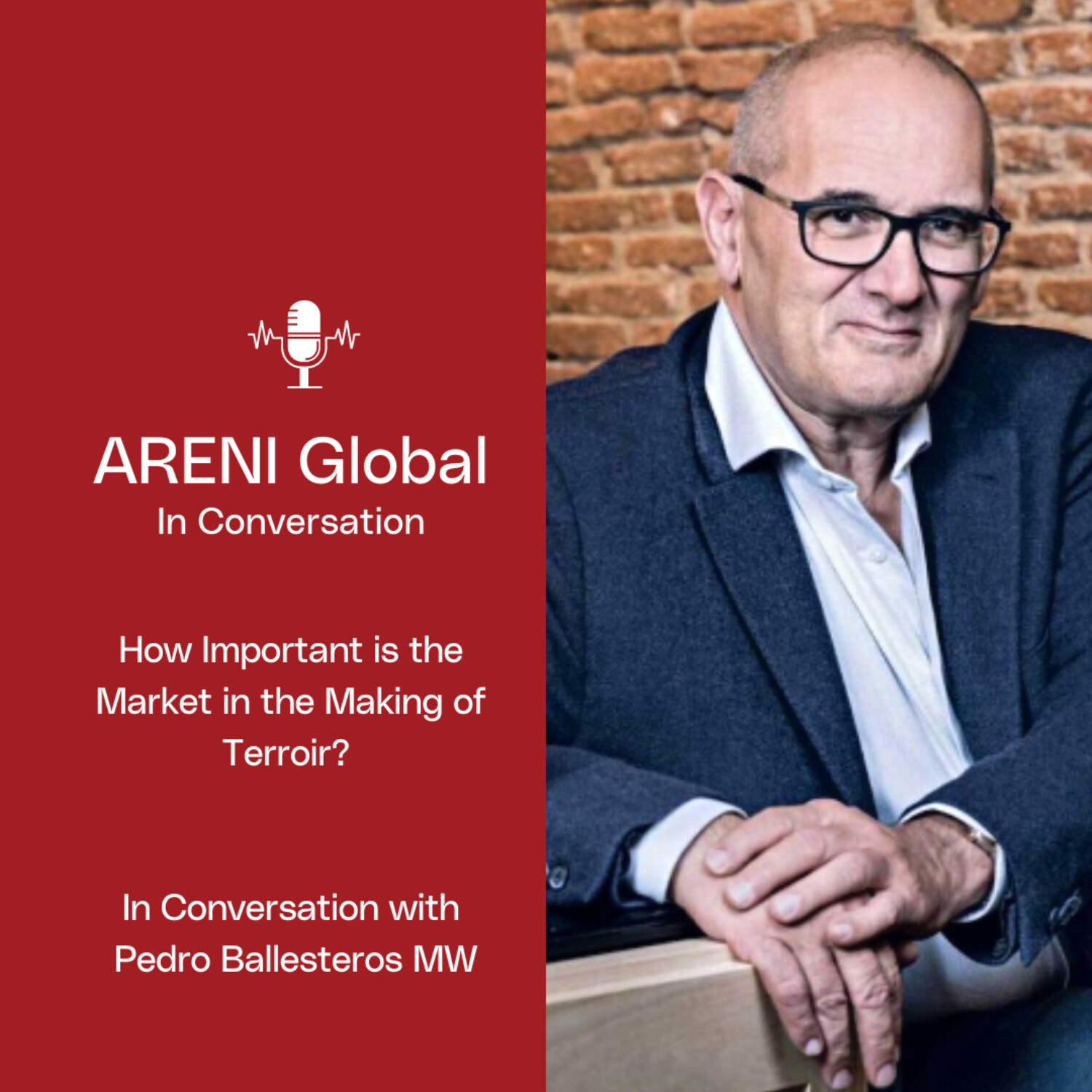
How Important is the Market in the Making of Terroir? In Conversation with Pedro Ballesteros MW
"To cook well, you need people who eat well.” said the Roca brothers, owners of El Celler de Can Roca, a 3-Michelin star restaurant in Girona, Spain. To produce fine wine, do you need fine wine markets? The definition of terroir usually embraces soil, climate and people, the latter usually understood as the people who make the wine. But it’s also true that proximity to a major city or transport node has historically been critical in the development of fine wine. What would Champagne be without proximity to Paris? How would Rioja have developed without the coming of the railroad? And looking forward, what does the current state of international transportation and market development mean for the future of fine wine? To answer these questions and more, we welcome Pedro Ballesteros MW, National expert at OIV, Member of Gran Orden de Caballeros del Vino and passionate wine historian.
 podcast· 1h 03m· Ep 51
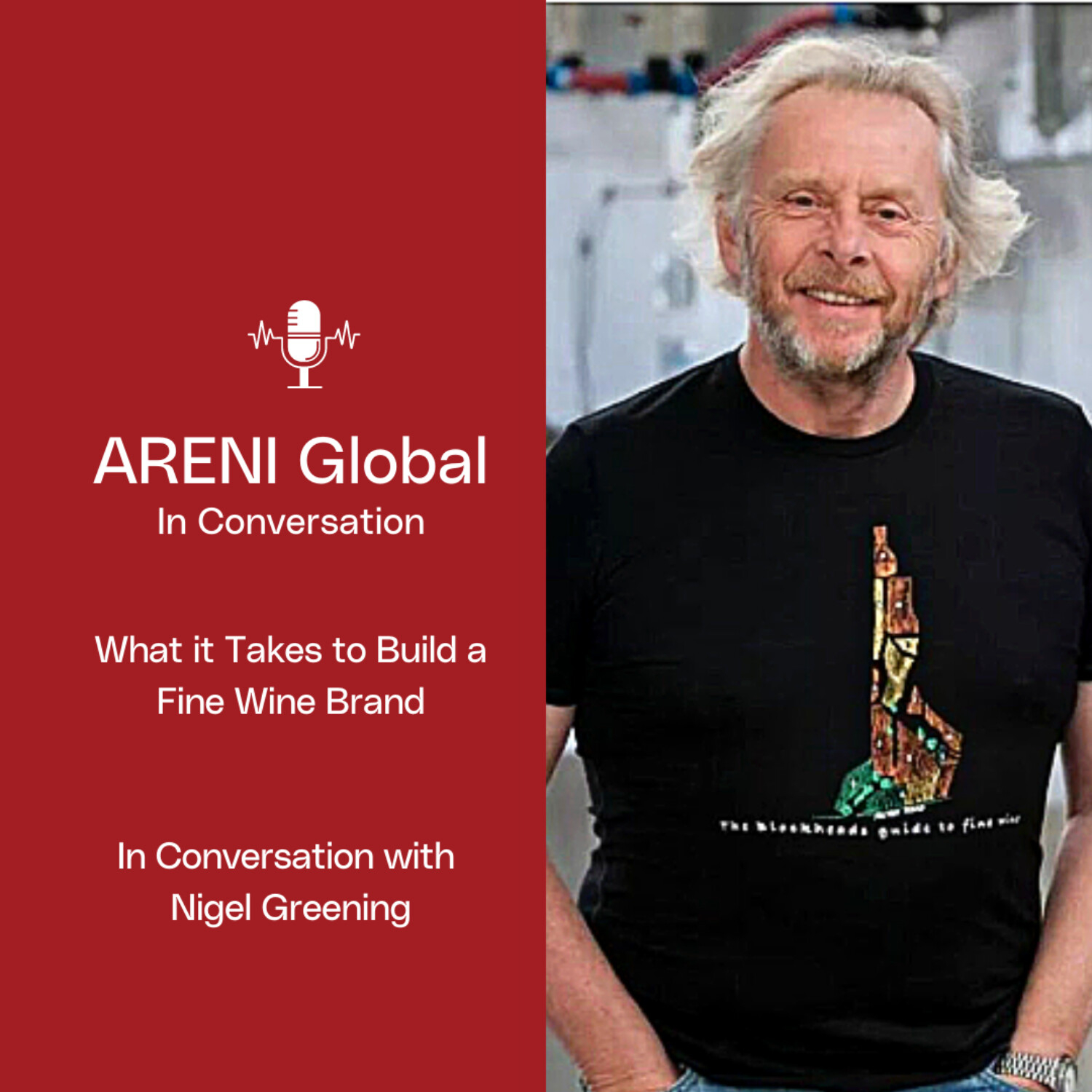
What it Takes to Build a Fine Wine Brand: In conversation with Nigel Greening
Many people find wine as a second career and re-invent themselves in their newly bought vineyards. But few have been as successful as Nigel Greening in doing so. In less than 25y, his estate, Felton Road in New Zealand, has elevate itself amongst the best, leading the way to a new generation of fine wine producers in Central Otago, New Zealand and beyond. Felton Road is recognized today as one of the most identified and loved wine brands. In this very special episode, we wanted to understand how Nigel and Blair made it to the top so quickly, In this wide-ranging discussion, we talk futurism, planning, and profitability.
 podcast· 1h 06m· Ep 50
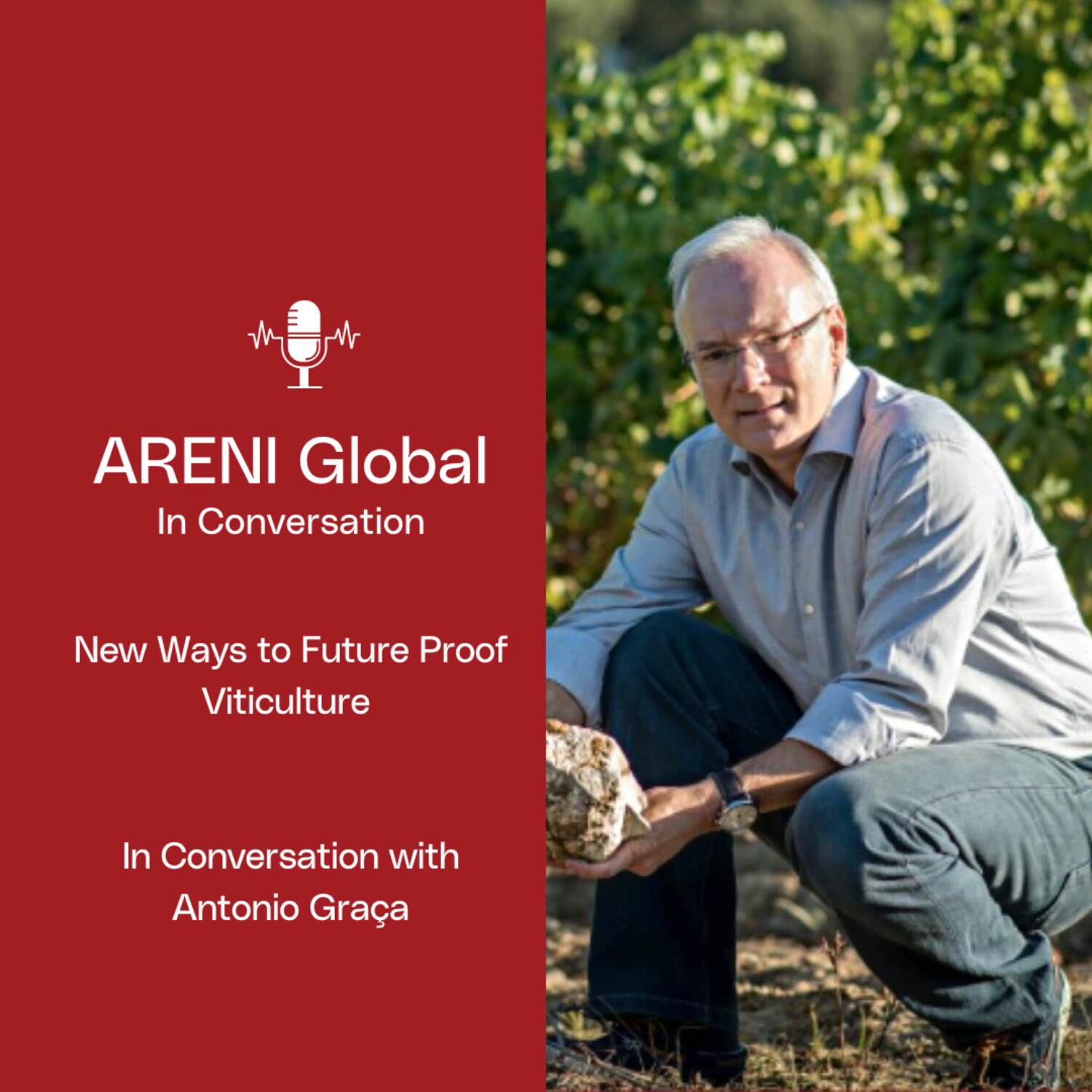
New Ways to Future Proof Viticulture: In Conversation with António Graça
What do we need to future proof the vineyards of tomorrow? What breeding techniques and technologies will viticulturists need in order to stay resilient in the face of climate change and its attendant problems, including disease pressure? To help unravel the issues, ARENI spoke with António Graça, Head of Research and Development at Sogrape in Portugal, and Secretary for Sustainable Development and Climate Change Group at the OIV.
 podcast· 57:17· Ep 49
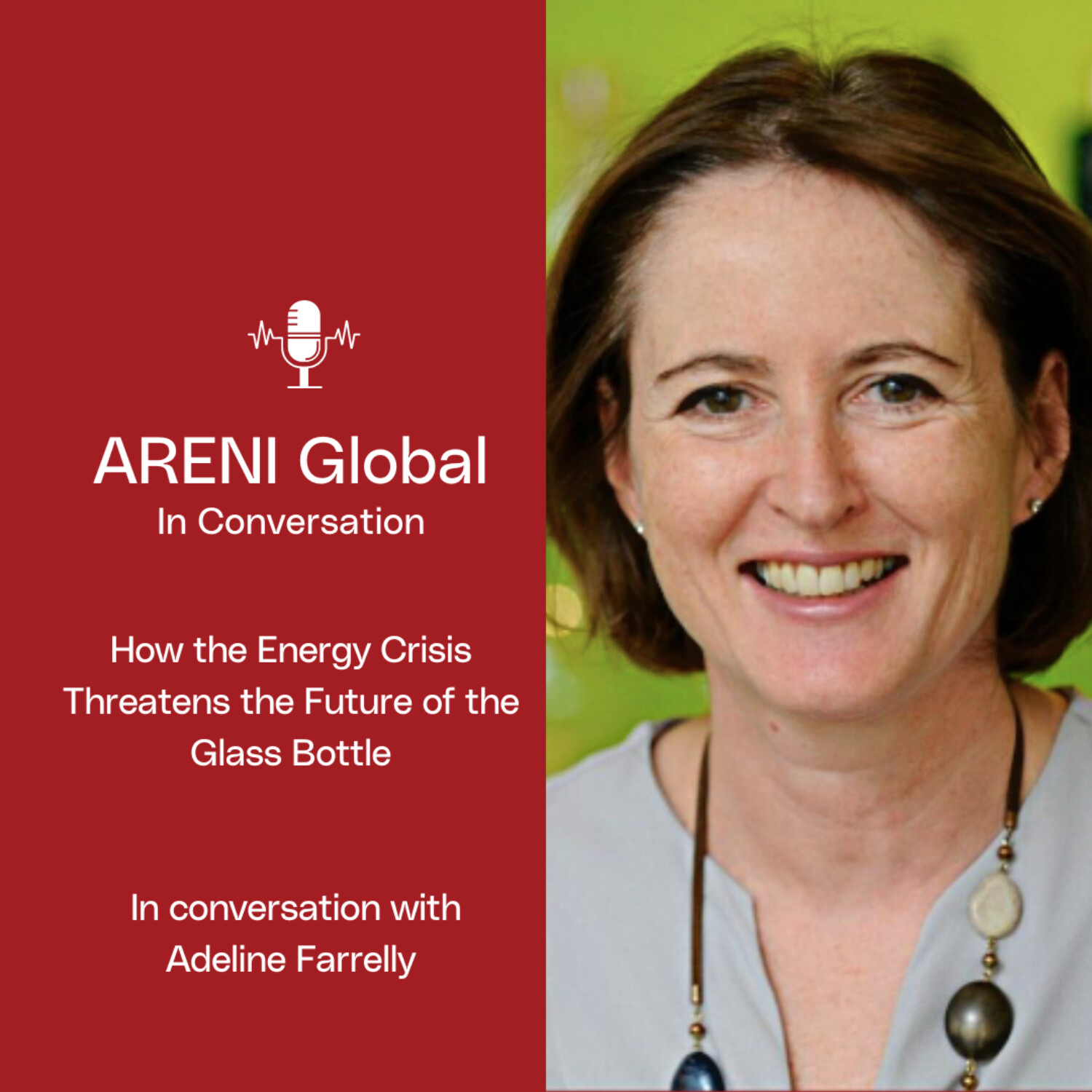
How the energy crisis threatens the future of the glass bottle
With international demand for glass container showing record growth in the middle of an energy crisis, the European container glass industry is heading for trouble, as glass factories across Europe struggle to maintain their production and winemakers around the globe facing both bottle shortages and/or price increases. How can the European glass industry navigate such a difficult time? How can producers prepare for what’s coming? Today we welcome Adeline Farrelly, Secretary General of the FEVE, the Federation of European manufacturers of glass containers for food and beverage and flacons for perfumery, cosmetics and pharmacy markets. Its members produce more than 80 billion glass containers per year across 162 manufacturing plants in Europe, providing direct employment to about 50,000 people.
 podcast· 57:30· Ep 48
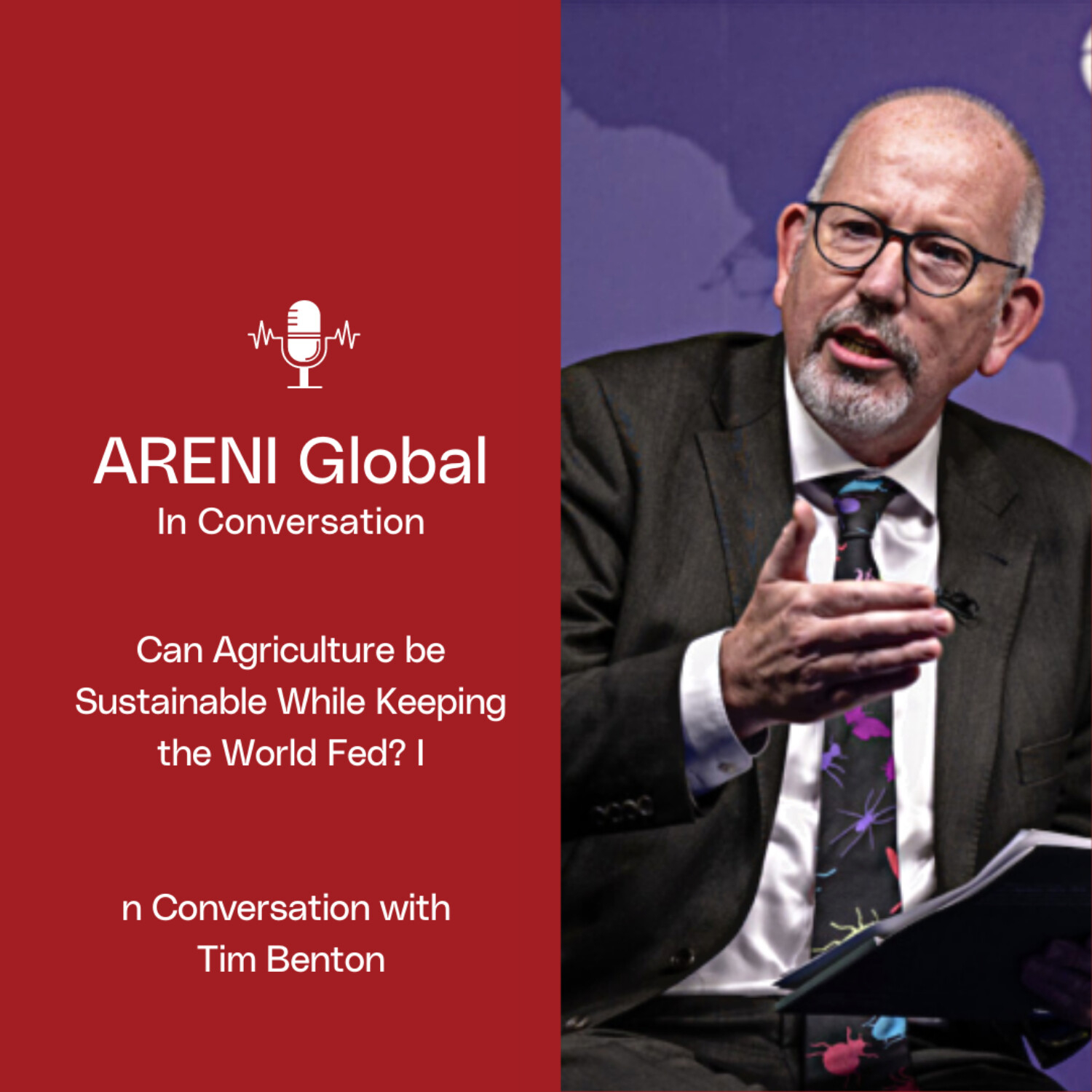
Can Agriculture Be Sustainable While Keeping the World Fed?
Agriculture is the world’s second-largest emitter of greenhouse gases, second only to the energy sector. It’s also a leading driver of biodiversity loss. But without agriculture, we die. How can these facts possibly be reconciled? Some argue that agriculture needs to be pursued more intensively on less land; for others, less intensive agroecology is the only sustainable approach. Unfortunately, given the urgency of the question, policymakers have failed to find a consensus. This is partly because the two models are based on assumptions that are rarely examined and depend on whether you believe that demand shapes supply, or supply shapes demand. But what does the evidence say? And is there an ideal solution? And if there is, what does it mean for viticulture? In this episode, Pauline Vicard meets Professor Tim Benton who leads the Environment and Society Programme at Chatham House. His research covers food and environment interactions, food policy, and trade and geopolitics, and his lat
 podcast· 41:52· Ep 47
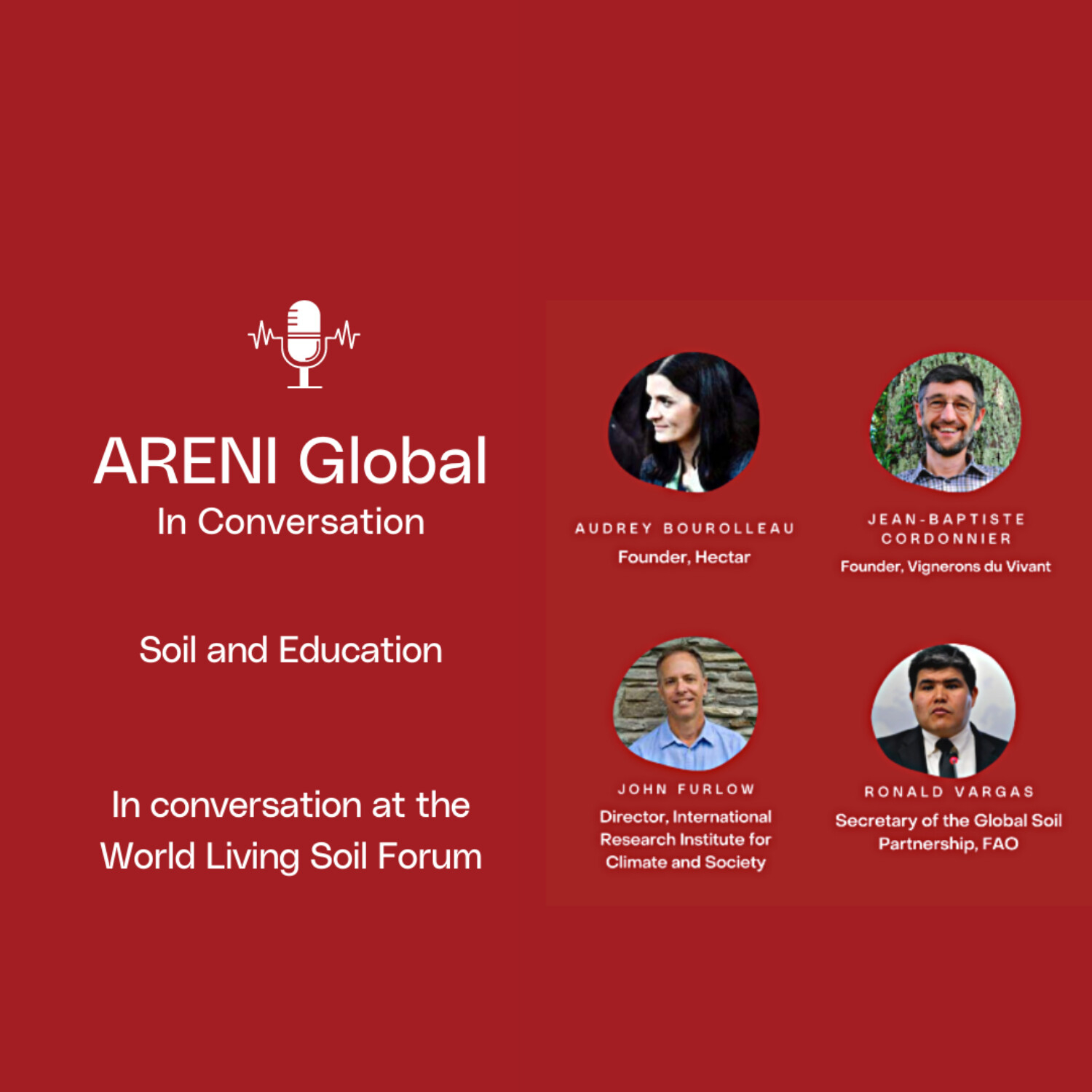
Soil and Education: In Conversation at the World Living Soil Forum
Why should soil health be a major concern for young generations? At the beginning of June 2022, Moët-Hennessy held a two-day soil conference in Arles in Provence, the World Living Soils Forum. Over the two days, experts came together to explore what is known and unknown about the world beneath our feet. The following podcast is a recording of a workshop session moderated by Jono le Feuvre, the founder and content producer for HanDrinksSolo.com , and brought together experts in farming and agricultural education. Joining Jono were: Audrey Bourolleau , who co-founded HECTAR , a training campus, a start-up and innovation accelerator, and a pilot farm in regenerative agriculture, John Furlow, the director of the International Research Institute for Climate and Society, Ronald Vargas, secretary of the Global Soil Partnership, Land and Water Officer at the Food and Agriculture Organization of the UN and agricultural engineer and author Jean-Baptiste Cordonnier, founder of Vignerons du Vivant
 podcast· 45:46· Ep 46
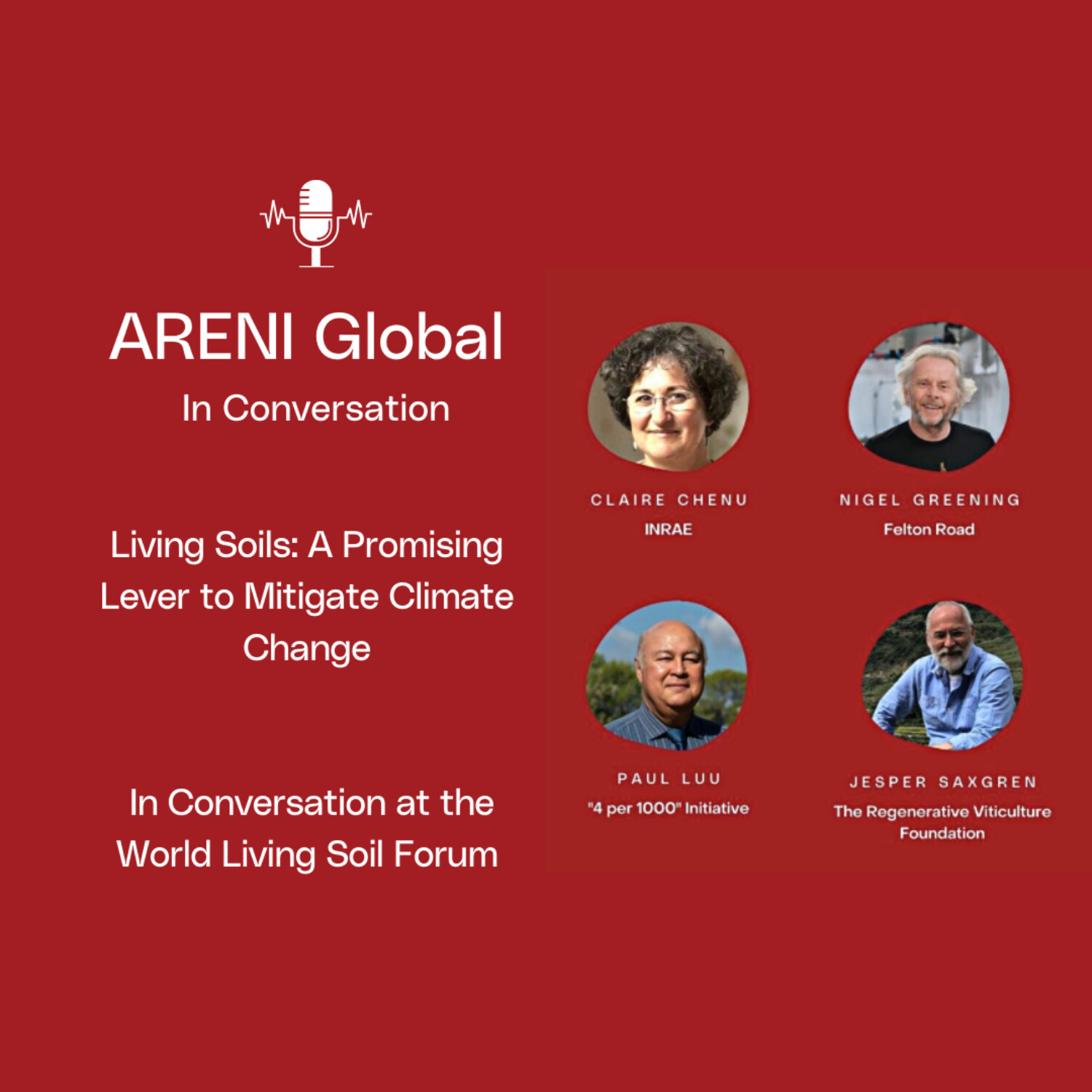
Living Soils: A Promising Lever to Mitigate Climate Change – In Conversation at the World Living Soil Forum
How does climate change affect soils and how can healthy soils be the answer? At the beginning of June 2022, Moët-Hennessy held a two-day soil conference in Arles in Provence, the World Living Soils Forum. Over the two days, experts came together to explore what is known and unknown about the world beneath our feet. The following podcast is a recording of a plenary session led by Pauline Vicard, CEO of ARENI, to discuss the issue of soils and climate change, at the recent Moët Hennessy World Living Soils Forum in Arles, Provence. Joining her were: Claire Chenu, director of research at INRAE, the National Institute of Agriculture, Food and Environment Research, who also teaches soils and science at AgroParisTech; Paul Luu, a notable agronomist and Executive Secretary of the “4 per 1000 Initiative: Soils for food security and climate”, launched at COP 21 in Paris; Jesper Saxgren, vice-chairman in Organic Denmarks Global Committee and founding member of the Regenerative Viticulture Founda
 podcast· 43:33· Ep 45
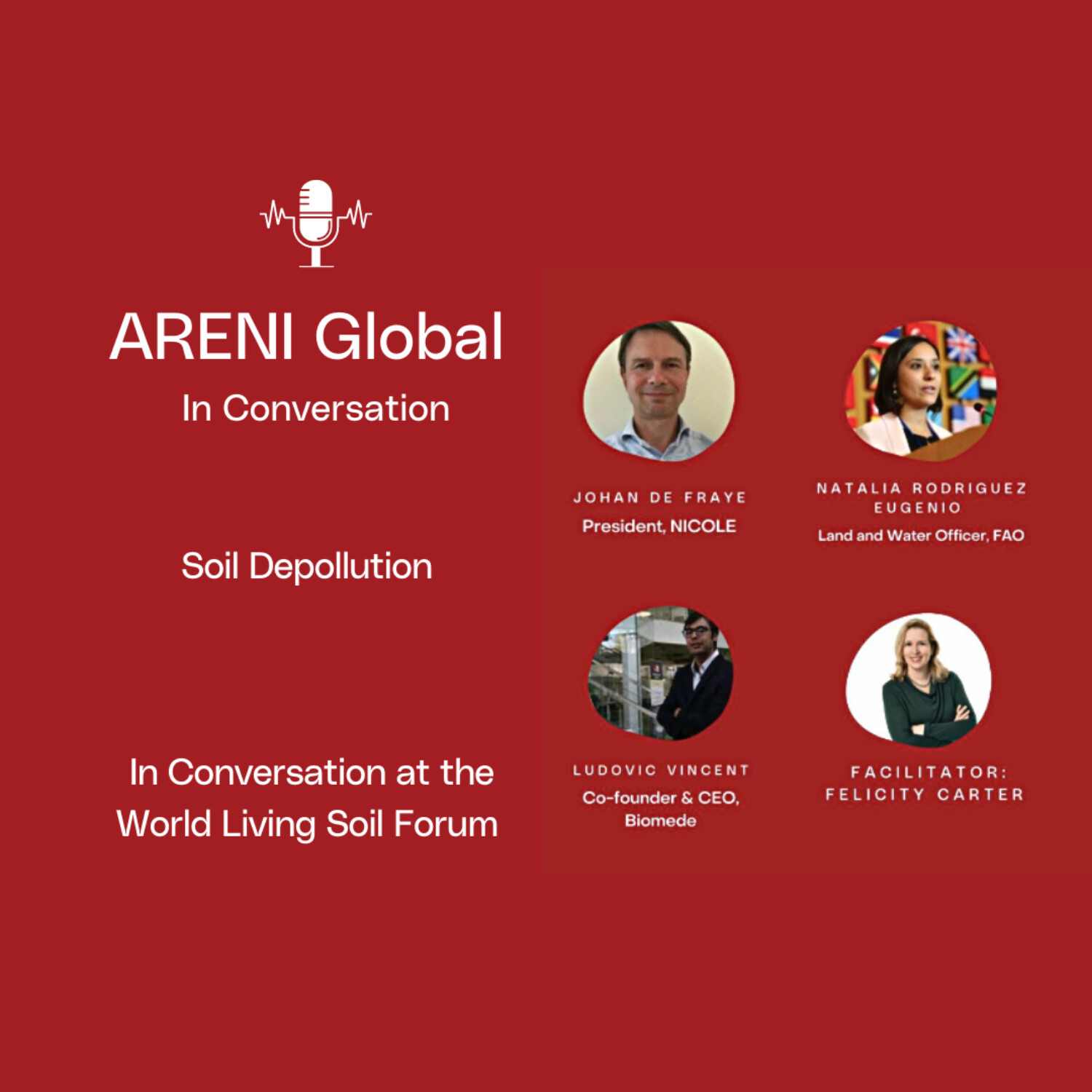
Soil Depollution - In Conversation at the World Living Soil Forum
How can agriculture and viticulture help depolluting the soils? At the beginning of June 2022, Moët-Hennessy held a two-day soil conference in Arles in Provence, the World Living Soils Forum. Over the two days, experts came together to explore what is known and unknown about the world beneath our feet. The following podcast episode is the recording of a panel session led by Felicity Carter, representing ARENI, on Soil Depollution. Joining her were Ludovic Vincent, the founder of BIOMEDE, a start-up that aims to develop ways to remediate heavy metal contamination using phytoextraction, or biological means; soil scientist Natalia Rodríguez Eugenio, who currently works at the Global Soil Partnership, Food and Agriculture Organization of the United Nations; and Johan De Fraye, head of Environmental Affairs at Signify where he is responsible for managing global environmental liabilities. He is also the chair of NICOLE, the European industrial network that groups industry, service providers
 podcast· 50:05· Ep 44
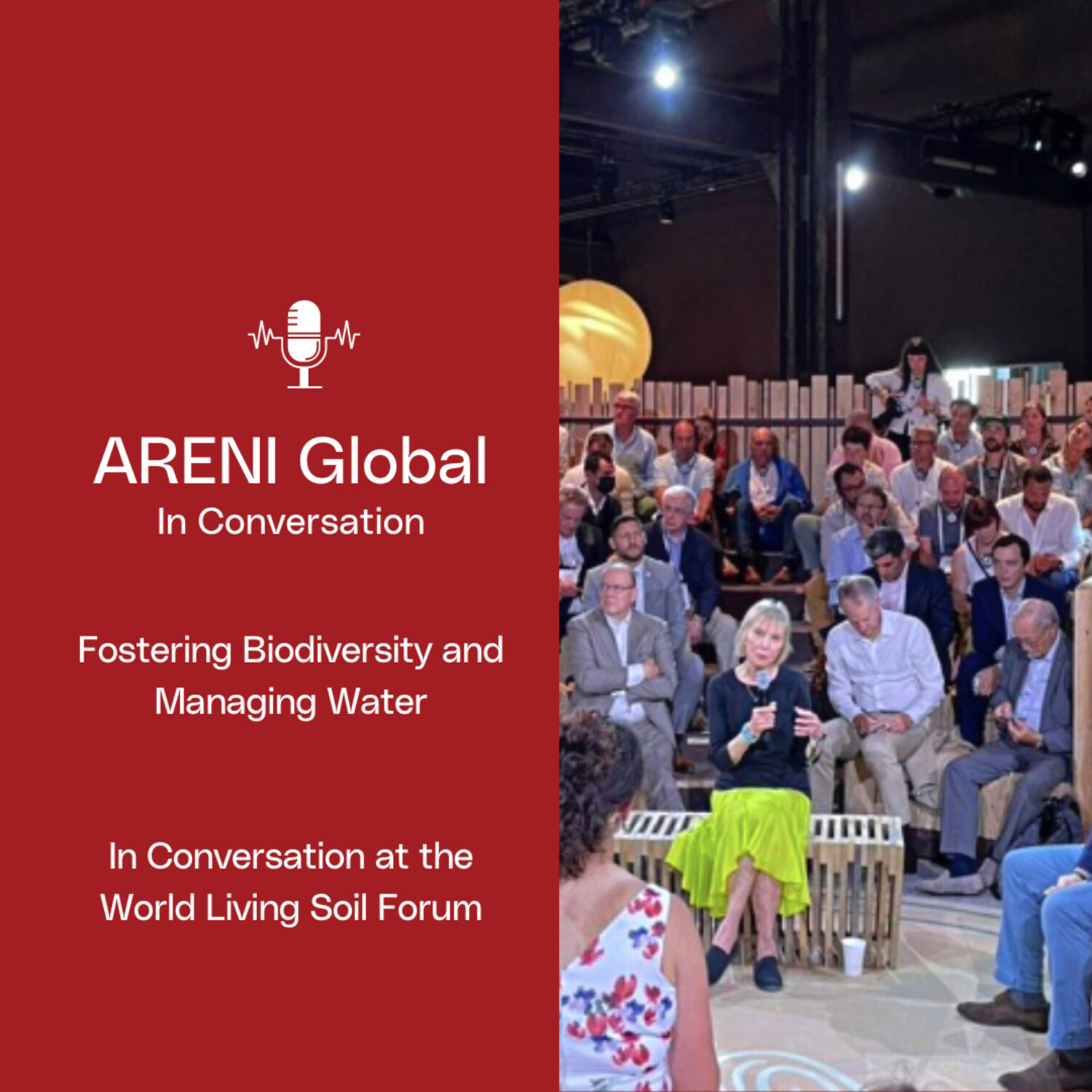
Fostering Biodiversity and Managing Water: In Conversation at the World Living Soil Forum
For anyone in wine, talking about soil is an imperative. The more we understand what happens below ground and how it impacts everything above, the better. Not only that, but as wine is an industry that has staked its legitimacy on the idea of terroir for so long, it has a special responsibility to conserve, protect and research the soil. ARENI was therefore proud to participate in Moët Hennessy‘s World Living Soil Forum on 1 and 2 June 2022, which explored the nature of soil and its impact on the biosphere and climate, and considered how it interacts with agriculture. It was a lively and important discussion, that ranged across topics such as the question of what does biodiversity loss mean for humans? What does it even mean to talk about biodiversity and genetic diversity in the soil? And what are the main issues when it comes to agriculture and water usage? The following podcast is a recording of the plenary session “Fostering Biodiversity and Managing Water: Key Resources for Thrivi
 podcast· 1h 10m· Ep 43
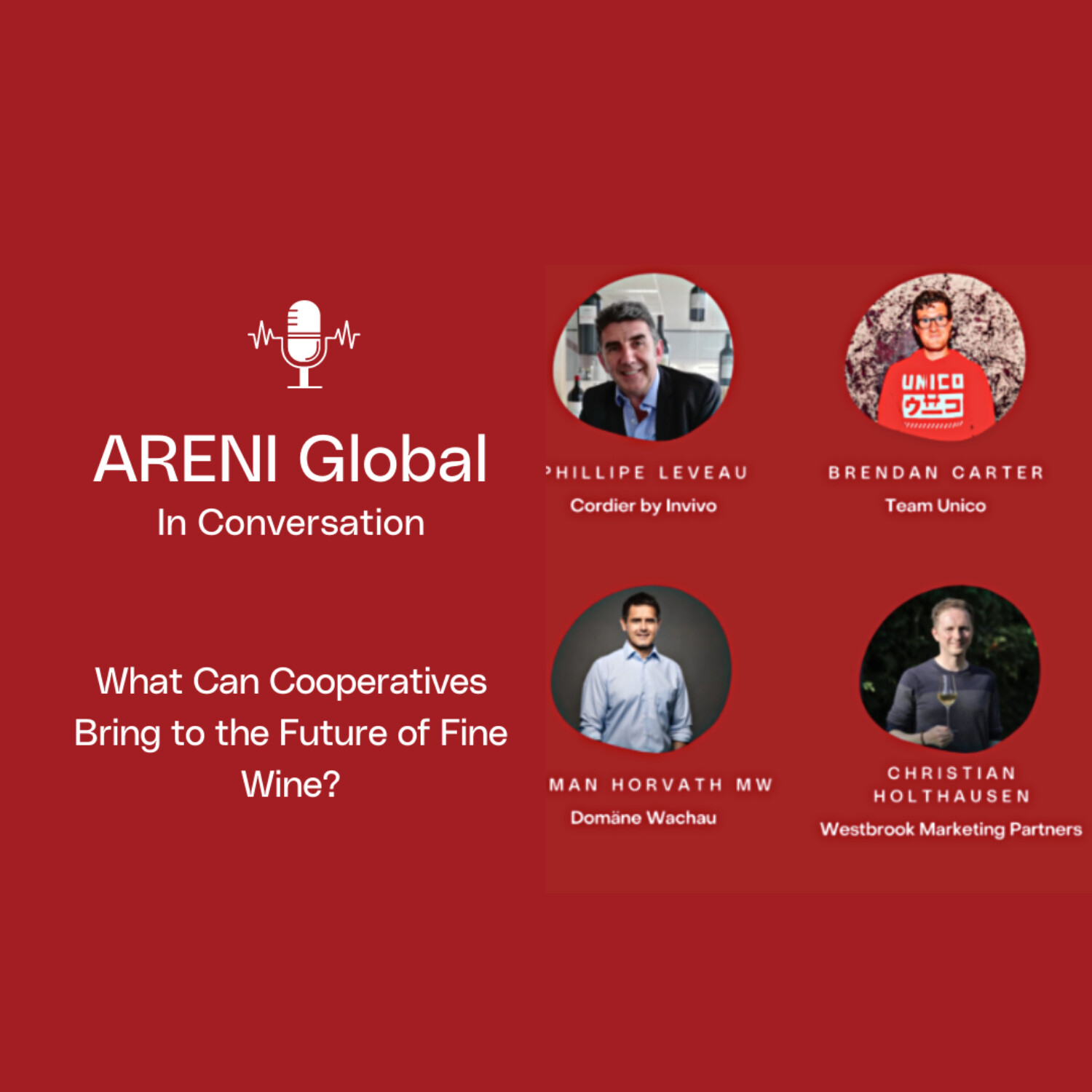
What can Cooperatives Bring to the Future of Fine Wine?
Although declining in numbers, cooperatives still represent around half of the wine production of France, Italy, and Spain, plus a third of Germany’s. Their contribution to their local communities can hardly be overstated. It is fair to say, however, that they have never really been associated with fine wine production, and that generations of both consumers and trade have grown up associating cooperatives wines with cheap mass production. Yet in the last couple of decades, leading wine cooperatives have transformed themselves, and are now producing high quality wine. At the same time, a younger generation of consumers are developing an interest in cooperatives, drawn by their community ethos. Are cooperatives the next big thing for fine wine? This podcast is a recording of an ARENI Insight Series of 10th of May 2022, gathering Brendan Carter, Chief Thinker, Winemaker & Distiller – Team Unico in Australia, Christian Holthausen, Founder, Westbrook Marketing Partners inFrance, Master of
 podcast· 1h 08m· Ep 42
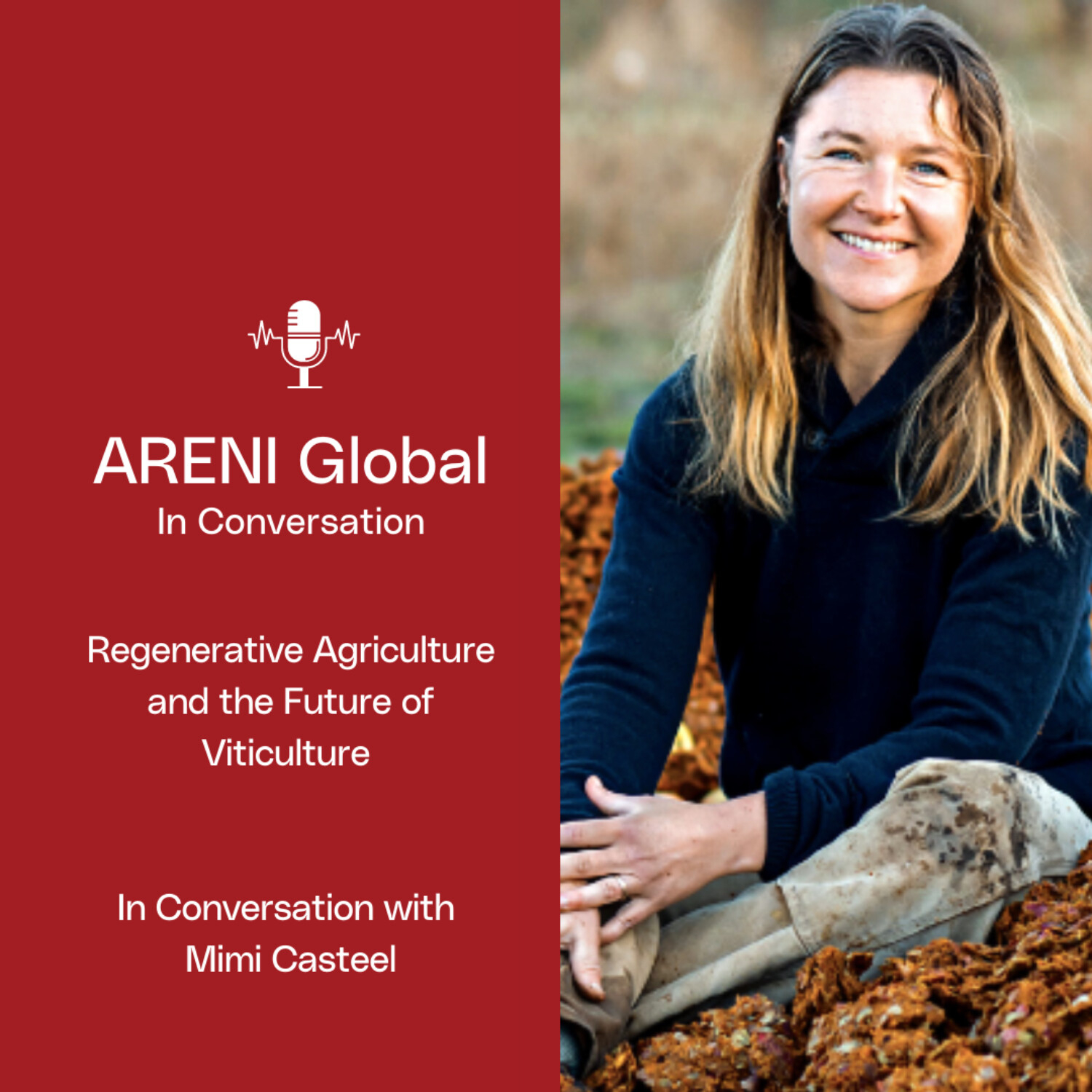
Regenerative agriculture and the future of viticulture: In Conversation with Mimi Casteel
The term “regenerative agriculture” has become a buzzword in the past two years, encompassing such fields as regenerative viticulture and agroforestry. But what does it all mean? And what will this new approach to agriculture mean for the production of fine wine? Will they improve, or even redefine, how we think about viticulture and terroir? In this episode, we talk to Mimi Casteel, who holds a Masters in forest sciences and biology, one of the leading voices of the regenerative viticulture movement. She discusses how studying trees and forests has shaped her vision of the world, and working regeneratively has impacted her viticulture and winemaking at her Hope Well vineyard in Oregon.
 podcast· 49:00· Ep 41
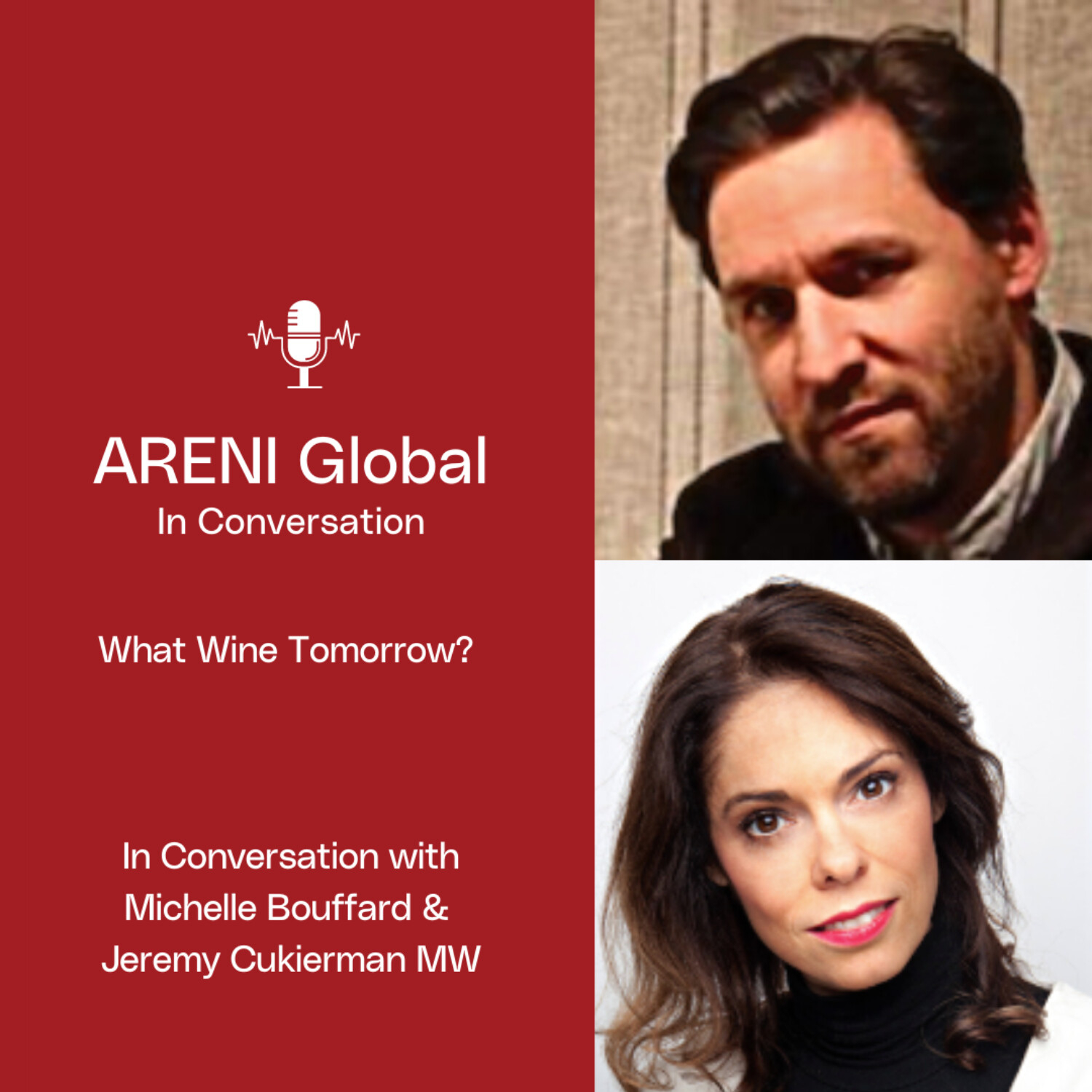
What wine for tomorrow? In Conversation with Michelle Bouffard and Jeremy Cukierman MW
Wine professionals are now fully aware that climate change is having an impact on wine. But what can we do about it? Wine experts Michelle Bouffard and Jeremy Cukierman MW are two of the three co-authors of a new book called Quel vin pour demain? Le vin face aux défis climatiques , or What Wine Tomorrow? Wine Facing Climate Challenges, which is about to be released in both Spanish and English. From vineyards all the way through to wine retail, they discuss how people around the world are rising to the challenge. In researching the book, what did they discover? Let’s find out.
 podcast· 1h 09m· Ep 40
Is the Future of Fine Wine Plant-Based? In Conversation with Mike Barrow, Watson Brown, Sebastiano Castiglioni and Christophe Lavelle
According to Bloomberg, plant-based foods are expected to exceed $162 billion, or 7% of the global food market, within the next decade. In its latest report UK supermarket chain Sainsbury's estimated that 25% of its customers will be vegan by 2025. This growing interest in plant-based diets is already impacting the way that fine wine is being produced and distributed. What could a 100% plant-based food and beverage system look like? This podcast is a recording of a live Insight Series organised by ARENI on March the 2nd 2022, gathering four international experts and moderated by award-winning journalist Elin McCoy.
 podcast· 54:44· Ep 39
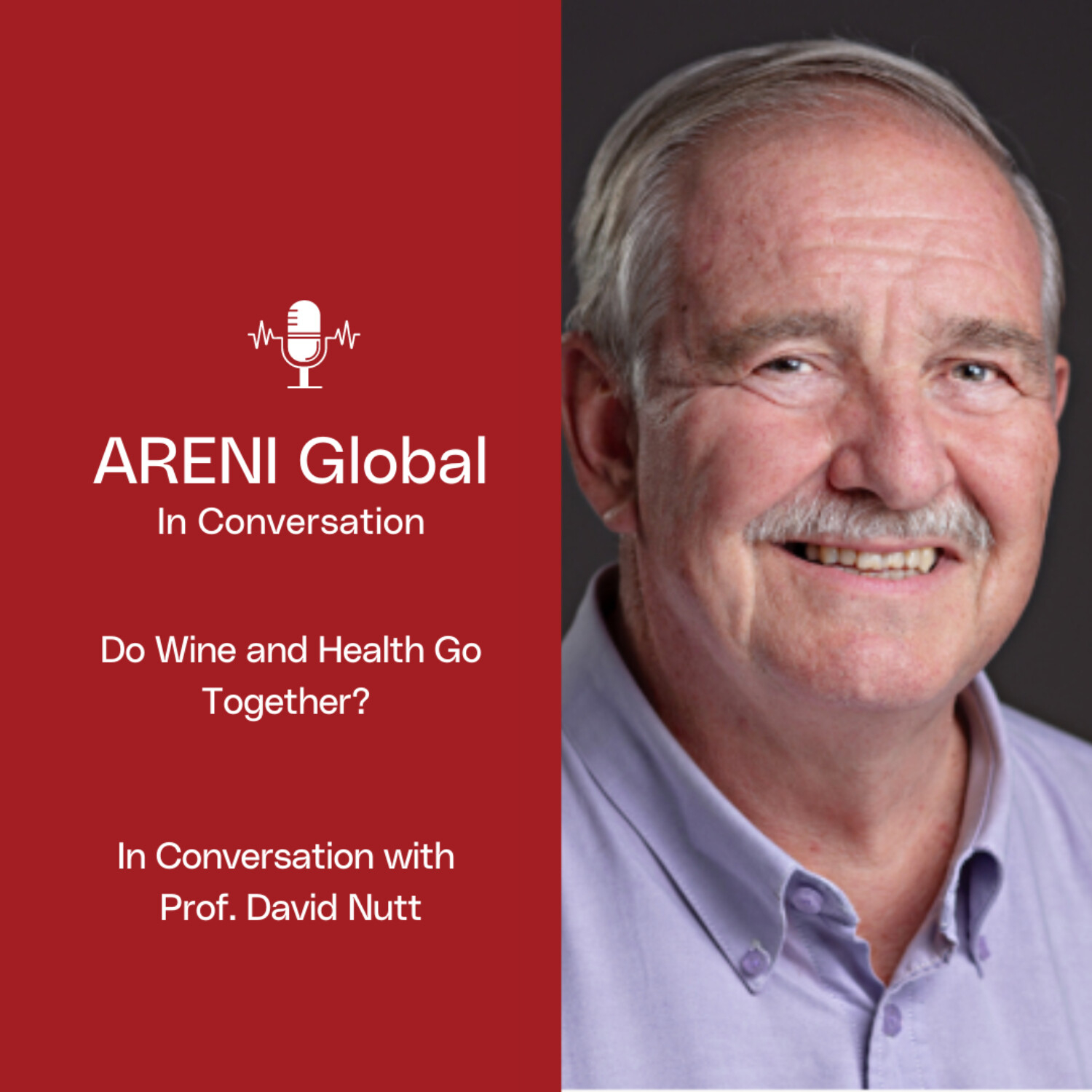
Do wine and health go together? In Conversation with David Nutt
Is wine good for your health? And if it is or isn’t, what are the consequences? The wine trade has certainly always embraced the message that moderate drinking is part of a healthy diet. But wine is now under attack by the European Parliament’s Special Committee on Beating Cancer – which has stated that there is no alcohol consumption without health risks. This could lead to serious consequences, including cutting funds from alcohol production. In this episode, we speak to psychiatrist and drug researcher Professor David Nutt, on what is known for certain about wine, alcohol and health. David is the chairman of Drug Science and in 2020 he published the book Drink? The New Science of Alcohol and Your Health.
 podcast· 55:50· Ep 38
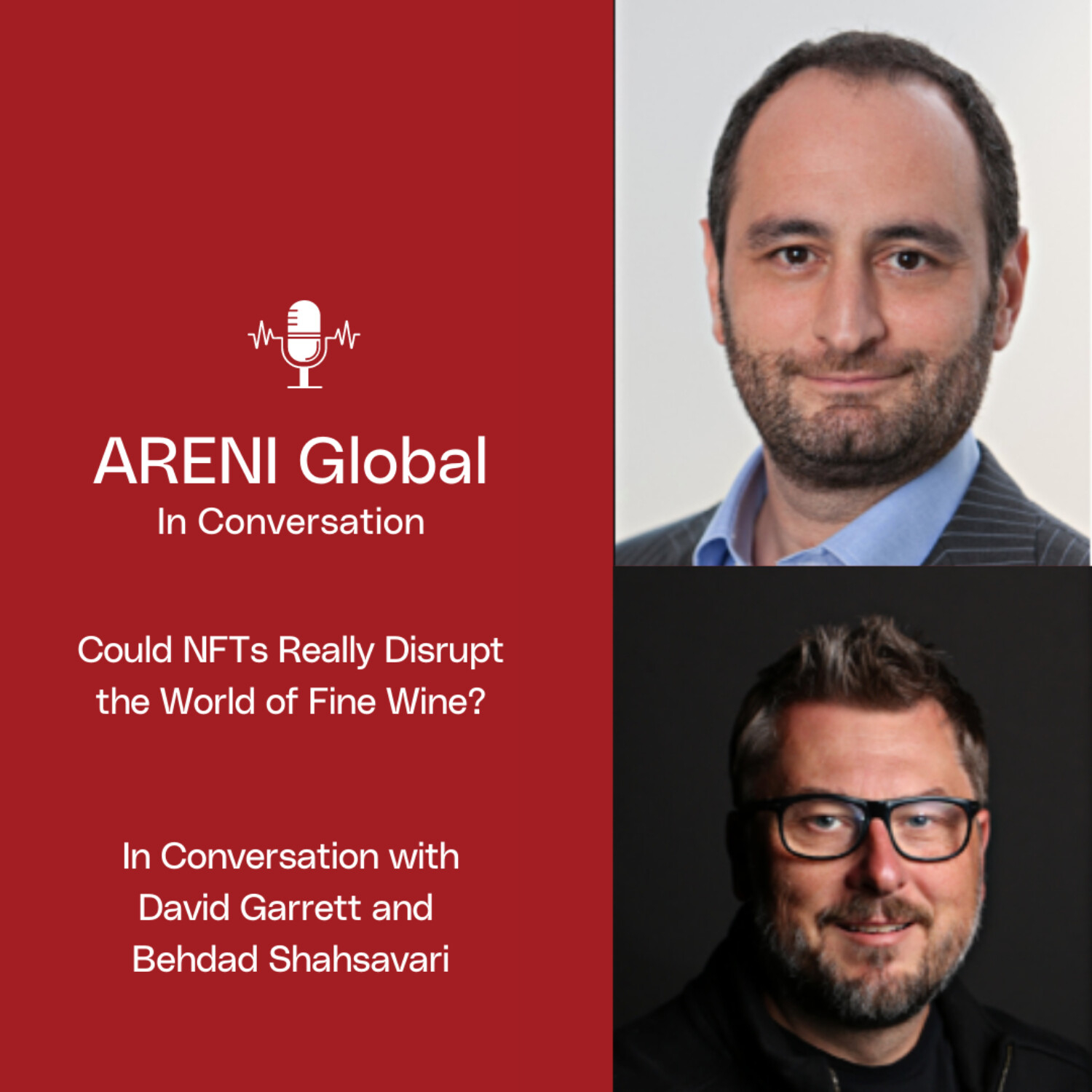
Could NFTs really disrupt the fine wine world? - In Conversation with David Garrett and Behdad Shahsavari
This week, we meet David Garrett and Behdad Shahsavari, two seasoned entrepreneurs who are highly involved in both the tech and fine wine worlds. They will shortly be launching Club Dvin, one of the first wine clubs based on NFTs, or non-fungible tokens. They have also attached NFTs to Robert Parker's private wine collection which is being sold for charity later this year. Together, we discuss not only how NFTs and smart contracts actually work, but also how they could impact the fine wine supply chain.
 podcast· 45:44· Ep 37
Fine Wine, Health, and Wellbeing - In Conversation with Rebecca Hopkins
In this episode we meet Rebecca Hopkins, founder of A Balanced Glass, who is on a mission to help wine professionals stay safe and healthy while navigating a career in alcohol. We look at the pitfalls and problems of working with wine, and ask what role fine wine plays when it comes to questions of health and well being for both employees and consumers.
 podcast· 52:52· Ep 36
What does authenticity and typicity mean for fine wine? In Conversation with Felicity Carter and Pauline Vicard
In this special episode, journalist Felicity Carter and ARENI's executive director Pauline Vicard explore the concepts of authenticity and typicity, looking at what the concepts mean in different cultures. Diving deep into history and social science, they explore how these concepts arose and how they're being disrupted by a new emphasis on individuality, versus the collective visions of previous generations.
 podcast· 59:51· Ep 35
What Fine Wine Can Learn from Jazz: In Conversation with Corina Kwami
This week, we meet Corina Kwami, an American jazz singer, tap dancer and performer, and a passionate music historian. A “bridge builder”, she uses her background and her PhD in social science from the University College of London to bring a global renaissance variety to her playing and storytelling. We explore the origins of jazz and the music’s social role in the world today, and what Fine wine could learn from jazz in terms of interpretation, blending, control and the power of bringing various voices together.
 podcast· 59:23· Ep 34
Debunking the clichés of digital marketing: In Conversation with Georgia Panagopoulou
This week we meet Georgia Panagopoulou, known as Wine Gini on social media. Georgia is head of one of the biggest online wine communities, including both Facebook and Instagram where she has 112,000 followers. We discuss how social media campaigns are created and measured, while debunking the digital clichés, one by one.
 podcast· 50:23· Ep 33
The future of cities and why the Fine Wine world should care: In Conversation with Professor Ricky Burdett
This week we meet Professor Ricky Burdett and discuss the way metropolises like London, New York or Shanghai are changing, and how these changes are likely to impact citizens, consumers, trade and merchants, transport and logistics. Ricky Burdett is Professor of Urban Studies and Director of London School of Economics Cities and Urban Age: a global centre of research and teaching dedicated to the future of cities. Professor Burdett is a member of the Mayor of London’s Cultural Leadership Board, former Council Member of the Royal College of Art and a Visiting Professor in Urban Planning and Design at Harvard University.