
The Chronicle
Latest dispatches
111 results across all types
 video
videoRetsina Explained -How Greece's Traditional Wine Is Being Reinvented
Can pine resin have terroir? And could one of Greece's most misunderstood wines be capable of far greater complexity than its reputation suggests? In this episode of Wine With Jimmy, I speak with Greek winemaker and chemical engineer Eleni Kechri of 1979 Wines about the reinvention of Retsina through Assyrtiko, sustainable pine resin harvesting and scientific research. Retsina is a traditional Greek wine made using pine resin during fermentation. Historically associated with simple, inexpensive wines, it is now being explored by producers who see its potential for quality, complexity and ageing. Eleni explains how her research into resin from the Aleppo pine (Pinus halepensis) has revealed differences in aromatic character depending on where and how the resin is collected. By comparing conventionally harvested resin with sustainably collected resin, she has begun exploring the concept of pine terroir. We also discuss the importance of the base wine. Eleni grows Assyrtiko in her vine
fromWine With Jimmy video
videoRioja Wine Regions Explained: Alta, Alavesa & Oriental
Explore the three wine regions of Rioja DOCa with me: Rioja Alta, Rioja Alavesa and Rioja Oriental. In this video, I explain how geography, altitude, climate, soils and grape varieties help shape the different wines produced across one of Spain’s most famous wine regions. I begin with the Denominación de Origen Calificada Rioja and its principal grape varieties, including Tempranillo, Garnacha Tinta and Viura, before taking you through each of Rioja’s three zones. In Rioja Alta, I look at the influence of the Ebro River, Sierra de la Demanda, Oja and Najerilla valleys, along with important wine centres including Logroño, Haro and Cenicero. I also explore Haro’s historic Barrio de la Estación and producers including López de Heredia Viña Tondonia, Cune (Compañía Vinícola del Norte de España), Gómez Cruzado, Bodegas Bilbaínas and La Rioja Alta. Moving north of the Ebro, I explore Rioja Alavesa in Álava, including the influence of the Sierra de Cantabria and Sierra de Toloño, its limes
fromWine With Jimmy video
videoMastering Valencia Wine. Climate, Geography and Soils
Join me as I explore Valencia’s wine-growing landscape, from its Mediterranean coastline to its inland mountains and limestone-rich vineyard soils. In this Mastering Spain episode, I explain how geography, climate and elevation shape grape-growing conditions across the Valencian Community, covering Castellón, Valencia and Alicante. Using maps, I’ll take you through the contrast between coastal and inland conditions, including cooler nights at altitude, seasonal rainfall and the challenges of drought and heavy storms. We’ll also explore the Sistema Ibérico and Sistemas Béticos mountain ranges, the Júcar and Segura rivers, and the Albufera lagoon. To bring the vineyard geology to life, I share a short video with Toni Sarrión, winemaker at Bodega Mustiguillo. He demonstrates the layers in a calicata, or soil pit, as we look more closely at clay, marl and calcium carbonate. Whether you’re studying Spanish wine or simply want to understand the places behind the bottles, I hope this helps
fromWine With Jimmy video
videoComplete Guide to Cava DO: Grapes, Zones & Classifications
In this complete guide to Cava DO, I explore the history, grape varieties, production zones and modern quality classifications behind Spain’s traditional-method sparkling wine. Cava is far more geographically and stylistically diverse than many people realise We start with the origins of Cava in Penedès and the role of Josep Raventós and Manuel Raventós Domènech before looking at how the category developed into the modern Denominación de Origen Cava. I then break down the principal Cava grape varieties, including Macabeo, Xarel·lo and Parellada, alongside Chardonnay, Malvasía or Subirat Parent, Garnacha Tinta, Trepat, Pinot Noir and Monastrell. We look at how these varieties differ in ripening, altitude, flavour profile and their role within both white and rosado Cava. Geography is a major part of the story. We explore the Comtats de Barcelona and its subzones, including Serra de Mar, Valls d’Anoia-Foix, Conca del Gaià, Serra de Prades and Pla de Ponent. I also look at Cava producti
fromWine With Jimmy video
videoThe Complete Guide to Chianti Classico
In this video, I take an in-depth look at Chianti Classico DOCG, exploring the history, landscape, geology, climate and Sangiovese that have shaped one of Tuscany’s most important wine regions. I also work through the 11 Unità Geografiche Aggiuntive (UGAs)and explain how places including Radda, Gaiole, Panzano, Lamole and Castellina differ. I begin with the history of Chianti Classico, from the medieval Lega del Chianti and the legend of the Gallo Nero to Cosimo III de' Medici, Baron Bettino Ricasoli and the development of the historic Chianti blend. I then follow the region through the formation of the Consorzio, the separation of Chianti Classico from the wider Chianti denomination and the modernisation of Sangiovese through projects including Chianti Classico 2000. From there, I look closely at the physical landscape. I explore altitude, rivers, woodland, vineyard distribution and the complex geology of Chianti Classico, including alberese, galestro, macigno and pietraforte, and c
fromWine With Jimmy video
videoJim Adelman on Bien Nacida Vineyards
Bien Nacido is one of California’s most important vineyard sites, producing outstanding Pinot Noir, Chardonnay and Syrah in Santa Maria Valley. Jimmy Smith visits the vineyard with Jim Adelman to look at the sandy marine soils, cooling Pacific influence and naturally high acidity that help define the wines. #Wine #CaliforniaWine #SantaMariaValley #BienNacido #PinotNoir #Chardonnay #Syrah
fromWine With Jimmy video
videoMastering Priorat Garnacha, Cariñena, Llicorella & Classification
Priorat DOQ is one of Spain’s most distinctive red wine regions, known for Garnacha and Cariñena, steep vineyards and its famous llicorella slate soils. In this Mastering Spain video, I explore what makes Priorat wine unique, from its geography and history to its detailed vineyard classification system. We look at Priorat in Catalonia, its Mediterranean climate, the Serra de Montsant, Siurana River and the steep costers where old bush vines are cultivated. I also visit the Tossal d’en Bou vineyard of Mas Doix near Poboleda to take a closer look at Priorat’s llicorella soils and how this challenging terroir shapes the region’s wines. We’ll explore the history of Priorat, including the Carthusian monks of the Cartoixa d’Escaladei and the modern revival associated with the “Gang of Five”: René Barbier of Clos Mogador, Josep Lluís Pérez of Clos Martinet, Daphne Glorian of Clos Erasmus, Álvaro Palacios of Finca Dofí and Carles Pastrana of Clos de l’Obac. Finally, I break down the Els nom
fromWine With Jimmy video
videoThis Portuguese Vineyard Is Surrounded by Marble
What does growing grapes between two huge marble quarries do to the wine? I’m in Borba, Alentejo, with winemaker Ricardo Silva of Adega de Borba, exploring a remarkable Alfrocheiro vineyard and the geology beneath it. Ricardo explains how the calcareous soils, altitude and deep soils help maintain natural acidity and lower pH, and why that could be increasingly important in a changing climate. #Wine #Alentejo #Portugal #PortugueseWine #Alfrocheiro #WineEducation
fromWine With Jimmy video
videoVinho de Talha: Portugal’s Ancient Clay-Pot Wine
What makes Vinho de Talha so special? Join Wine with Jimmy and winemaker Ricardo Silva at Adega de Borba in Portugal’s Alentejo region to explore its traditional clay-pot wines. Discover how talhas are used for fermentation, why skin contact matters, and the tradition of opening the vessels on St Martin’s Day, 11 November. 🍷 Explore the winery: Adega de Borba https://adegaborba.pt/en/ 🏺 Learn about the tradition: https://vinhodetalha.vinhosdoalentejo.pt/en/ #VinhoDeTalha #PortugueseWine #Alentejo #WineWithJimmy #Shorts
fromWine With Jimmy video
videoUnderstanding Navarra DO. Terroir, Grapes and Five Subzones
Navarra is famous for its rosado wines, but there's much more to this northern Spanish wine region than rosé. In this Mastering Spain episode, I explore the Navarra DO (Denominación de Origen), explaining its grape varieties, climate, soils and five distinct wine-growing subzones. From Garnacha and Tempranillo to Chardonnay and Viura, discover how Navarra's diverse geography influences the wines produced across this fascinating region. We'll begin with Navarra's winemaking history, including the devastating impact of phylloxera, before exploring the region's changing identity and the development of its red, white, rosé and sweet wines. I'll explain how the cooler, wetter vineyards near the Pyrenees contrast with the warmer, drier conditions of the Ebro Valley. We'll also examine the influence of altitude, limestone and alluvial soils, and the Cierzo wind on viticulture and wine styles. Then we'll explore Navarra's five wine-growing subzones in detail: Tierra Estella, Valdizarbe, B
fromWine With Jimmy video
videoWhy Old Vines Matter More Than Yield at Quinta do Paral
In Vidigueira, Alentejo, I speak with Maria Pica of Quinta do Paral about why preserving old vineyards isn’t always about economics. With tiny yields, these historic vines may make little commercial sense, but for Maria and Quinta do Paral, they represent something far more important: identity, heritage and the authentic character of the region. Discover more about Quinta do Paral via their official website below. https://quintadoparal.com/en/ #WineWithJimmy #PortugueseWine #Alentejo #Vidigueira #OldVines #QuintadoParal #WineEducation #Shorts
fromWine With Jimmy video
videoPolish PIWI Wines - Winnica Silesian with Espen Madsen
Poland is emerging as one of Europe’s most intriguing cool-climate wine countries and disease-resistant PIWI grapes could play a significant part in its future. I’m joined by Espen Madsen of Winnica Silesian to explore how varieties including Souvignier Gris, Hibernal and Jutrzenka perform in the continental climate of Lower Silesia. Espen tells me how he moved from oceanography and environmental consultancy into winemaking with his wife, Sonia, and her farming family. We explore why Winnica Silesian planted both PIWI and Vitis vinifera varieties, how its granite soils affect the vineyard, and how the vines cope with frost, summer heat, fungal pressure and a relatively short growing season. We look at varieties including Souvignier Gris, Johanniter, Hibernal, Jutrzenka, Seyval Blanc, Solaris, Bianka, Cabernet Cortis, Regent and Rondo. We also discuss the estate’s Riesling and Roter Riesling, the advantages of disease-resistant vines for organic viticulture, and the winemaking freedom
fromWine With Jimmy video
videoWhy Global Warming Is Making the West Sonoma Coast Cooler
The Pacific Ocean acts like a giant refrigerator on the West Sonoma Coast, cooling vineyards during summer while helping protect them from frost in winter. Carroll Kemp explains how this maritime influence creates a long, slow ripening season, and why rising temperatures inland have, surprisingly, brought more fog to the coast and slightly cooler daytime temperatures. The result? Fresh, bright wines with naturally moderate alcohol. #WestSonomaCoast #CaliforniaWine #WineWithJimmy #CoolClimateWine #Sonoma #WineEducation
fromWine With Jimmy video
videoWhy Ridge Vineyards Chooses American Oak
Ridge Vineyards is one of California’s most iconic producers, but one part of its winemaking might surprise you: the vast majority of its wines are matured in American oak. Ryan Johnson explains why Ridge has experimented with French oak but continues to believe American oak is the best fit, particularly for the powerful, high-acid Cabernet Sauvignon of Monte Bello. #RidgeVineyards #WineWithJimmy #AmericanOak #MonteBello #CaliforniaWine #WineEducation
fromWine With Jimmy video
videoWhat Makes 125-Year-Old Zinfandel Vines So Special?
At Ridge Vineyards, some of the Zinfandel vines at Lytton Springs are around 125 years old. Ryan Johnson explains why these historic vines can produce such distinctive fruit, from uneven berry sizes and different skin-to-juice ratios to the lower yields and unique character that come with vine age. Jimmy Smith also reflects on these remarkable old vines as living pieces of vineyard architecture that have survived more than a century of history. #RidgeVineyards #Zinfandel #OldVines #LyttonSprings #CaliforniaWine #WineWithJimmy
fromWine With Jimmy video
videoCalifornia Port-Style Wines: St. Amant Winery + WSET Tasting Notes
In this video, I explore three exceptional Port-style fortified wines from St. Amant Winery in Lodi, California, made by Stuart Spencer and his family. The Spencer family has been working with Portuguese grape varieties since the 1970s, developing a distinctive Californian take on traditional fortified wine styles. I taste three wines from Volume Six of the Bastardo Society: St. Amant Verdelho Port 2016 St. Amant Bastardo Port 2016 St. Amant Tawny Port 2016 Along the way, I look at the history of St. Amant Winery, the Spencer family's Portuguese connection and the challenges of growing varieties such as Bastardo in California. I assess each wine using full WSET-style tasting notes, making this particularly useful if you're studying fortified wines at WSET Level 3 or Diploma. 🍷 Join the St. Amant Bastardo Society: https://stamantwine.com/bastardo-society/ Use discount code JIMMY26 for 15% off your purchase. 🍷 Join the Wine with Jimmy Club: https://e-learningwine.winewithjimmy.
fromWine With Jimmy video
videoWhy Global Warming Is Making the West Sonoma Coast Cooler
On the West Sonoma Coast, the Pacific Ocean acts like a giant refrigerator in summer, bringing cool air and fog into the vineyards while helping protect them from frost in winter. Carroll Kemp explains how this creates a long, slow ripening season and why, surprisingly, warming inland temperatures have so far brought more fog to the coast, helping keep daytime temperatures lower and the wines fresh and bright. #WestSonomaCoast #CaliforniaWine #WineWithJimmy #CoolClimateWine #Sonoma #WineEducation
fromWine With Jimmy video
videoHow Regenerative Farming Keeps Zinfandel Fresh
How do you keep Zinfandel fresh in a warm vineyard? At Seghesio Family Vineyards in California’s Alexander Valley, the team explains how regenerative farming, cover crops and keeping the vineyard floor green can help lower temperatures around the vines and grapes. The result is not simply healthier soils. Cooler fruit and vines that remain active for longer can help preserve one of Zinfandel’s most important characteristics: its natural acidity and fresh bramble-fruit character. A fascinating look at the connection between vineyard management and what ultimately ends up in the glass. #Zinfandel #WineEducation #RegenerativeViticulture #CaliforniaWine #WineWithJimmy
fromWine With Jimmy video
videoThe History of Rioja Wine: From Ancient Spain to Modern Rioja
In this episode of Mastering Spain, I explore the fascinating history of Rioja wine, one of Spain’s most famous and important wine regions. This is an ideal introduction to the region if you are studying Spanish Wine Scholar I take you through Rioja’s development over thousands of years, from its ancient origins and Roman viticulture through the monasteries of the Middle Ages, the Camino de Santiago and the growth of the Rioja wine trade. I also look at the enormous influence of Bordeaux on Rioja winemaking during the 19th century, the arrival of French wine merchants, the development of Haro and the Barrio de la Estación, and the devastating impact of phylloxera. From there, I explore the creation of the Rioja Denominación de Origen in 1925, the challenges of the Spanish Civil War and World War II, the modernisation of the region and Rioja’s eventual elevation to DOCa status. Finally, I bring the story up to the present day, looking at modern Rioja, terroir, single-vineyard wines,
fromWine With Jimmy video
videoHow Ross Cobb Makes Aromatic Sonoma Pinot Noir
Ross Cobb explains why aromatics are central to his approach to Pinot Noir on the Sonoma Coast, and how night harvesting, cool fruit, CO₂ and an unusually long two-to-three-week cold soak help preserve and develop those aromas. He also shares a memorable philosophy for Pinot Noir: it should smell like Pinot Noir but taste like Chardonnay. #PinotNoir #SonomaCoast #Winemaking #WineWithJimmy
fromWine With Jimmy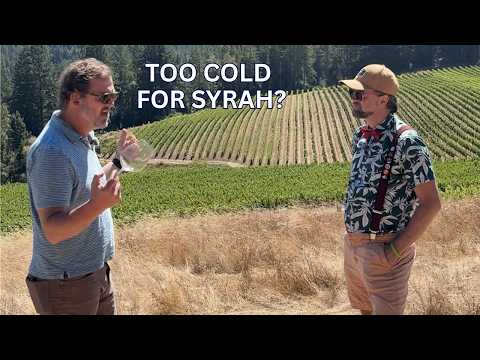 video
videoWhy Peay Vineyards Planted Syrah on California’s Cold Sonoma Coast
I visit Peay Vineyards in Annapolis, in the northern West Sonoma Coast, to speak with co-founder Andy Peay about one of California’s most distinctive cool-climate vineyard sites. Andy explains why he and his brother Nick searched the Pacific coast for a site capable of producing transparent, site-specific wines with high acidity, restrained alcohol and more than simple fruit character. We discuss the decision to plant an isolated former sheep ranch and apple orchard just three miles from the Pacific Ocean, despite being warned that the area was too cold, wet and remote to ripen grapes successfully. Andy also explains why Peay planted Rhône varieties alongside Chardonnay and Pinot Noir, and why Syrah and Viognier behave so differently in this exceptionally cool coastal climate. We explore the role of long growing seasons, rotundone and black pepper aromas in Syrah, as well as Peay’s fresh, high-acid style of Viognier. Finally, we look beneath the vineyard at the geology of the San
fromWine With Jimmy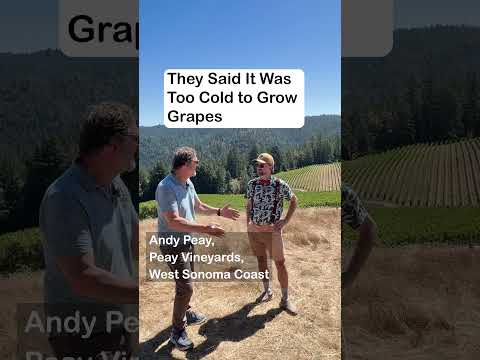 video
videoThey said it was too cold to make wine here. Andy Peay says they were wrong
Andy Peay explains why he and his brother rejected the big, fruit-forward California wine style of the 1990s and went searching for a colder, more extreme place to grow grapes. Their journey took them along the Pacific coast before they discovered a remote ridge in Sonoma County in 1996. Despite being told it was too cold, too wet and too isolated, they planted what would become Peay Vineyards. #Wine #PinotNoir #CaliforniaWine #PeayVineyards #SonomaCoast #Winemaking
fromWine With Jimmy video
videoCastilla y León Wine History: Duero, Vega Sicilia & Bierzo
Explore the wine history of Castilla y León, one of Spain’s most important and diverse wine-producing regions. Join my Wine With Jimmy Club for the complete Mastering Spain series, regional wine deep-dives, tasting notes, food and wine recommendations, interviews and exclusive wine education videos: https://e-learningwine.winewithjimmy.com/program/wwj-club In this episode of Mastering Spain, I follow the development of wine in Castilla y León from the ancient Vaccaei and Roman viticulture through the Reconquista, the Camino de Santiago and the rise of modern Spanish fine wine. I look at the importance of the Duero River, which flows through key wine areas including Ribera del Duero and Toro before continuing into Portugal as the Douro. I also explore the historic wines of Toro and Rueda, the foundation of Vega Sicilia, the arrival of phylloxera and the producers who helped bring Tempranillo, Bierzo and Mencía to international attention. Featured regions, wineries and winemakers in
fromWine With Jimmy video
videoWhy DuMOL Plants Pinot Noir at 3,600 Vines per Acre
Why plant Pinot Noir at such high density? At DuMOL in Sonoma, Chief Winemaker and Proprietor Andy Smith explains why the estate planted around 3,600 vines per acre, taking inspiration from the traditional vineyard spacing of Burgundy. He discusses the gamble involved, the distinctive character produced by the mature vines, and how natural shading keeps the soil and grapes cooler, helping to preserve acidity, aromatic character and colour. Watch the full interview with Andy Smith on Wine with Jimmy.
fromWine With Jimmy