
The Chronicle
Latest dispatches
55 results across all types
 video
videoPresentation of Vosne-Romanée Premier Cru Les Beaux Monts 2022 Vintage (4/2024)
Since they were first erected by Cistercian monks in 1365, the walls surrounding the Clos des Lambrays have harnessed the harmony of their 8.66 hectares of vines. This notion of the perfect union of the whole persists today and remains Clos des Lambrays’ raison d’être. Over the course of the estate’s 650-year history, the unity of the Clos has not always been secure. The French Revolution saw the vineyard split across 74 different owners, but its reassembly by the Rodier family in the late 1890s
 video
videoLa Vieille Ferme: Build Flocks, not Fences (01/2026)
Jean-Pierre and François Perrin established La Vieille Ferme over 45 years ago, as an affordable straightforward Rhône wine to sell by direct mail to French wine lovers. They used the same grape varieties in similar proportions to those planted at the family’s Château de Beaucastel and employed a similar vinification process. In 1980, Vineyard Brands introduced La Vieille Ferme into the United States, and the response was an immediate, overwhelming acceptance and an outpouring of critical acclai
 video
videoPresentation of Clos des Lambrays Grand Cru 2022 Vintage (4/2024)
Since they were first erected by Cistercian monks in 1365, the walls surrounding the Clos des Lambrays have harnessed the harmony of their 8.66 hectares of vines. This notion of the perfect union of the whole persists today and remains Clos des Lambrays’ raison d’être. Over the course of the estate’s 650-year history, the unity of the Clos has not always been secure. The French Revolution saw the vineyard split across 74 different owners, but its reassembly by the Rodier family in the late 1890s
 video
videoPeregrine Winery with Wanda Mann - Short (12/2025)
Peregrine Wines winery and vineyards are located in the southernmost grape-growing region in the world, at latitude 45 degrees south, in Central Otago, the heart of New Zealand’s South Island. Central Otago is New Zealand’s only inland and elevated wine growing region, with vineyards nestled in breathtaking river valleys, clinging to snow-capped mountainsides or perched gently on the shores of crystal clear lakes. Peregrine Wines is named in honor of New Zealand’s endemic falcon (Karearea in Mao
 video
videoLa Vieille Ferme CanCan (05/2025)
Jean-Pierre and François Perrin established La Vieille Ferme over 45 years ago, as an affordable straightforward Rhône wine to sell by direct mail to French wine lovers. He used the same grape varieties in similar proportions to those planted at the family’s Château de Beaucastel and employed a similar vinification process. In 1980, Vineyard Brands introduced La Vieille Ferme into the United States, and the response was an immediate, overwhelming acceptance and an outpouring of critical acclaim.
 video
videoHarvest at Paul Achs (03/2025)
In 1991, at 22 years old, Paul Achs took the lead of the family winery in Gols, Austria, where his family had been working in the wine industry since 1684. Gols is a small winemaking village located in the Neusiedlersee district of Austria’s Burgenland region, 60 km (37 miles) southeast of Vienna near the Hungarian border. Paul’s roots are established in two key areas: the Heideboden and the Parndorfer Platte. The 25 hectares (61.8 acres) of vines are divided into 40 plots, each with individual
 video
videoPresentation of Morey-Saint-Denis Premier Cru Clos Sorbè 2022 Vintage (4/2024)
Since they were first erected by Cistercian monks in 1365, the walls surrounding the Clos des Lambrays have harnessed the harmony of their 8.66 hectares of vines. This notion of the perfect union of the whole persists today and remains Clos des Lambrays’ raison d’être. Over the course of the estate’s 650-year history, the unity of the Clos has not always been secure. The French Revolution saw the vineyard split across 74 different owners, but its reassembly by the Rodier family in the late 1890s
 video
videoBottling at Paul Achs (03/2025)
In 1991, at 22 years old, Paul Achs took the lead of the family winery in Gols, Austria, where his family had been working in the wine industry since 1684. Gols is a small winemaking village located in the Neusiedlersee district of Austria’s Burgenland region, 60 km (37 miles) southeast of Vienna near the Hungarian border. Paul’s roots are established in two key areas: the Heideboden and the Parndorfer Platte. The 25 hectares (61.8 acres) of vines are divided into 40 plots, each with individual
 video
videoMAAL Harvest 2025 (06/2025)
"Each year brings new challenges, and 2025 was no exception for MAAL Winery in Argentina’s Uco Valley. The growing season began with signs of early advancement compared to 2024, driven by intense heatwaves. However, the arrival of unexpected rains disrupted the cycle, slowing the ripening process and, in many cases, even causing it to regress. Faced with these conditions, the team at MAAL paused to make thoughtful, strategic decisions. Prioritizing vine health over expectations, they focused on
 video
videoUmani Ronchi with Wanda Mann (01/2026)
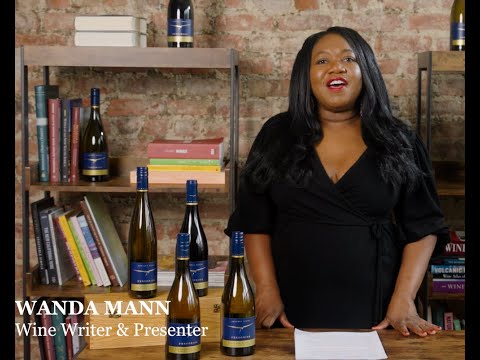
The Umani Ronchi story is one of ancient vines, land, and people. It began more than half a century ago at Cupramontana, in the heart of Verdicchio Classico country, and has spread further. Today, Umani Ronchi is owned by the Bianchi-Bernetti family, who since 1959 have been making superb quality craft wines, coaxing the best out of the Verdicchio and Montepulciano grapes that find their finest expression in the Marche and Abruzzo regions. For over ten years, Umani Ronchi has been a member of th
 video
videoPeregrine Winery with Wanda Mann (12/2025)
Peregrine Wines winery and vineyards are located in the southernmost grape-growing region in the world, at latitude 45 degrees south, in Central Otago, the heart of New Zealand’s South Island. Central Otago is New Zealand’s only inland and elevated wine growing region, with vineyards nestled in breathtaking river valleys, clinging to snow-capped mountainsides or perched gently on the shores of crystal clear lakes. Peregrine Wines is named in honor of New Zealand’s endemic falcon (Karearea in Mao
 video
videoPeregrine Winery with Wanda Mann - Short (12/2025)
Peregrine Wines winery and vineyards are located in the southernmost grape-growing region in the world, at latitude 45 degrees south, in Central Otago, the heart of New Zealand’s South Island. Central Otago is New Zealand’s only inland and elevated wine growing region, with vineyards nestled in breathtaking river valleys, clinging to snow-capped mountainsides or perched gently on the shores of crystal clear lakes. Peregrine Wines is named in honor of New Zealand’s endemic falcon (Karearea in Maori), a bird without rival or fear. A bird that combines both power and finesse, the essence of Peregrine’s range of wines. A boutique, artisanal producer, Peregrine focuses on Pinot Noir, Pinot Gris, Riesling, and Chardonnay. It is a brand that has, since its first vintage in 1998, gained a reputation both domestically and internationally as one of New Zealand’s iconic wine brands. The winery has been awarded numerous international and domestic trophies, gold medals, and accolades that fully jus
 video
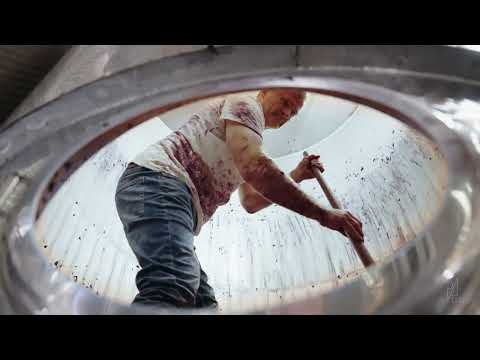
videoDomaine des Lambrays Cellar wtih Jacques Devauges
Since they were first erected by Cistercian monks in 1365, the walls surrounding the Clos des Lambrays have harnessed the harmony of their 8.66 hectares of vines. This notion of the perfect union of the whole persists today and remains Clos des Lambrays’ raison d’être. Over the course of the estate’s 650-year history, the unity of the Clos has not always been secure. The French Revolution saw the vineyard split across 74 different owners, but its reassembly by the Rodier family in the late 1890s
 video
videoWeingut Paul Achs (03/2025)
In 1991, at 22 years old, Paul Achs took the lead of the family winery in Gols, Austria, where his family had been working in the wine industry since 1684. Gols is a small winemaking village located in the Neusiedlersee district of Austria’s Burgenland region, 60 km (37 miles) southeast of Vienna near the Hungarian border. Paul’s roots are established in two key areas: the Heideboden and the Parndorfer Platte. The 25 hectares (61.8 acres) of vines are divided into 40 plots, each with individual
 video
videoPressing Grapes with Paul Achs (03/2025)
In 1991, at 22 years old, Paul Achs took the lead of the family winery in Gols, Austria, where his family had been working in the wine industry since 1684. Gols is a small winemaking village located in the Neusiedlersee district of Austria’s Burgenland region, 60 km (37 miles) southeast of Vienna near the Hungarian border. Paul’s roots are established in two key areas: the Heideboden and the Parndorfer Platte. The 25 hectares (61.8 acres) of vines are divided into 40 plots, each with individual
 video
videoMAAL Harvest 2025 (06/2025)
"Each year brings new challenges, and 2025 was no exception for MAAL Winery in Argentina’s Uco Valley. The growing season began with signs of early advancement compared to 2024, driven by intense heatwaves. However, the arrival of unexpected rains disrupted the cycle, slowing the ripening process and, in many cases, even causing it to regress. Faced with these conditions, the team at MAAL paused to make thoughtful, strategic decisions. Prioritizing vine health over expectations, they focused on identifying the optimal harvest windows to achieve the best possible oenological maturity without compromising quality. One of the most rewarding stages of the winemaking process is when the wines are ready to begin their aging journey. In 2025, despite the season’s challenges, the results speak for themselves. The vintage is a testament to the team’s adaptability and expertise, each year revealing something new, and this one bringing with it truly great wines." - Facundo Azzoni, Winemaker MAAL
 video
videoPresentation of Nuits St. Georges Premier Cru La Richemone 2022 Vintage (4/2024)
Since they were first erected by Cistercian monks in 1365, the walls surrounding the Clos des Lambrays have harnessed the harmony of their 8.66 hectares of vines. This notion of the perfect union of the whole persists today and remains Clos des Lambrays’ raison d’être. Over the course of the estate’s 650-year history, the unity of the Clos has not always been secure. The French Revolution saw the vineyard split across 74 different owners, but its reassembly by the Rodier family in the late 1890s
 video
videoHarvest at Paul Achs (03/2025)
In 1991, at 22 years old, Paul Achs took the lead of the family winery in Gols, Austria, where his family had been working in the wine industry since 1684. Gols is a small winemaking village located in the Neusiedlersee district of Austria’s Burgenland region, 60 km (37 miles) southeast of Vienna near the Hungarian border. Paul’s roots are established in two key areas: the Heideboden and the Parndorfer Platte. The 25 hectares (61.8 acres) of vines are divided into 40 plots, each with individual potential. This wide distribution gives the winery a variety of soils and microclimates – ideal for creating exciting, authentic wines year after year. In 2006, The Paul Achs winery received biodynamic certification for their meticulous care and thoughtfulness in tending to their vines and winemaking process. Today, Paul believes a vital soil supports the ripening process of the grapes in a very positive way. His belief is that mindfulness and respect for nature create and preserve values.
 video
videoPressing Grapes with Paul Achs (03/2025)
In 1991, at 22 years old, Paul Achs took the lead of the family winery in Gols, Austria, where his family had been working in the wine industry since 1684. Gols is a small winemaking village located in the Neusiedlersee district of Austria’s Burgenland region, 60 km (37 miles) southeast of Vienna near the Hungarian border. Paul’s roots are established in two key areas: the Heideboden and the Parndorfer Platte. The 25 hectares (61.8 acres) of vines are divided into 40 plots, each with individual potential. This wide distribution gives the winery a variety of soils and microclimates – ideal for creating exciting, authentic wines year after year. In 2006, The Paul Achs winery received biodynamic certification for their meticulous care and thoughtfulness in tending to their vines and winemaking process. Today, Paul believes a vital soil supports the ripening process of the grapes in a very positive way. His belief is that mindfulness and respect for nature create and preserve values.
 video
videoBottling at Paul Achs (03/2025)
In 1991, at 22 years old, Paul Achs took the lead of the family winery in Gols, Austria, where his family had been working in the wine industry since 1684. Gols is a small winemaking village located in the Neusiedlersee district of Austria’s Burgenland region, 60 km (37 miles) southeast of Vienna near the Hungarian border. Paul’s roots are established in two key areas: the Heideboden and the Parndorfer Platte. The 25 hectares (61.8 acres) of vines are divided into 40 plots, each with individual potential. This wide distribution gives the winery a variety of soils and microclimates – ideal for creating exciting, authentic wines year after year. In 2006, The Paul Achs winery received biodynamic certification for their meticulous care and thoughtfulness in tending to their vines and winemaking process. Today, Paul believes a vital soil supports the ripening process of the grapes in a very positive way. His belief is that mindfulness and respect for nature create and preserve values.
 video
videoPresentation of Morey-Saint-Denis Premier Cru Clos Baulet 2022 Vintage (4/2024)
Since they were first erected by Cistercian monks in 1365, the walls surrounding the Clos des Lambrays have harnessed the harmony of their 8.66 hectares of vines. This notion of the perfect union of the whole persists today and remains Clos des Lambrays’ raison d’être. Over the course of the estate’s 650-year history, the unity of the Clos has not always been secure. The French Revolution saw the vineyard split across 74 different owners, but its reassembly by the Rodier family in the late 1890s was a defining moment in the Domaine’s past, influencing its present, and driving its philosophy, for the future, under the auspices of Groupe LVMH since 2014. In March 2019, Jacques Devauges joined the estate as the General Manager and the Chief Winemaker. Rediscovering the essence and emotion found in the mythical bottles of Clos des Lambrays from the early 1900s, which still impress today after so many decades is the vision of the whole team, and the inspiration driving their daily efforts
 video
videoPresentation of Morey-Saint-Denis Premier Cru Les Loups 2022 Vintage (4/2024)
Since they were first erected by Cistercian monks in 1365, the walls surrounding the Clos des Lambrays have harnessed the harmony of their 8.66 hectares of vines. This notion of the perfect union of the whole persists today and remains Clos des Lambrays’ raison d’être. Over the course of the estate’s 650-year history, the unity of the Clos has not always been secure. The French Revolution saw the vineyard split across 74 different owners, but its reassembly by the Rodier family in the late 1890s was a defining moment in the Domaine’s past, influencing its present, and driving its philosophy, for the future, under the auspices of Groupe LVMH since 2014. In March 2019, Jacques Devauges joined the estate as the General Manager and the Chief Winemaker. Rediscovering the essence and emotion found in the mythical bottles of Clos des Lambrays from the early 1900s, which still impress today after so many decades is the vision of the whole team, and the inspiration driving their daily efforts
 video
videoPresentation of Morey-Saint Denis 2022 Vintage (4/2024)
Since they were first erected by Cistercian monks in 1365, the walls surrounding the Clos des Lambrays have harnessed the harmony of their 8.66 hectares of vines. This notion of the perfect union of the whole persists today and remains Clos des Lambrays’ raison d’être. Over the course of the estate’s 650-year history, the unity of the Clos has not always been secure. The French Revolution saw the vineyard split across 74 different owners, but its reassembly by the Rodier family in the late 1890s was a defining moment in the Domaine’s past, influencing its present, and driving its philosophy, for the future, under the auspices of Groupe LVMH since 2014. In March 2019, Jacques Devauges joined the estate as the General Manager and the Chief Winemaker. Rediscovering the essence and emotion found in the mythical bottles of Clos des Lambrays from the early 1900s, which still impress today after so many decades is the vision of the whole team, and the inspiration driving their daily efforts
 video
videoPresentation of Puligny-Montrachet Premier Cru Clos du Cailleret 2022 Vintage (4/2024)
Since they were first erected by Cistercian monks in 1365, the walls surrounding the Clos des Lambrays have harnessed the harmony of their 8.66 hectares of vines. This notion of the perfect union of the whole persists today and remains Clos des Lambrays’ raison d’être. Over the course of the estate’s 650-year history, the unity of the Clos has not always been secure. The French Revolution saw the vineyard split across 74 different owners, but its reassembly by the Rodier family in the late 1890s was a defining moment in the Domaine’s past, influencing its present, and driving its philosophy, for the future, under the auspices of Groupe LVMH since 2014. In March 2019, Jacques Devauges joined the estate as the General Manager and the Chief Winemaker. Rediscovering the essence and emotion found in the mythical bottles of Clos des Lambrays from the early 1900s, which still impress today after so many decades is the vision of the whole team, and the inspiration driving their daily efforts